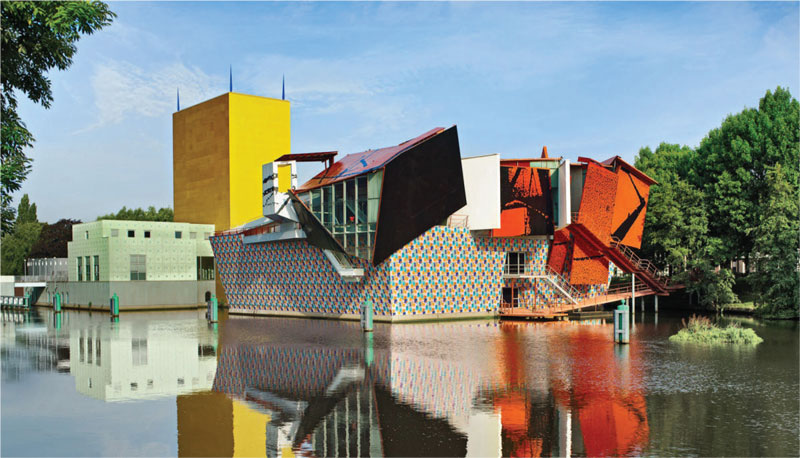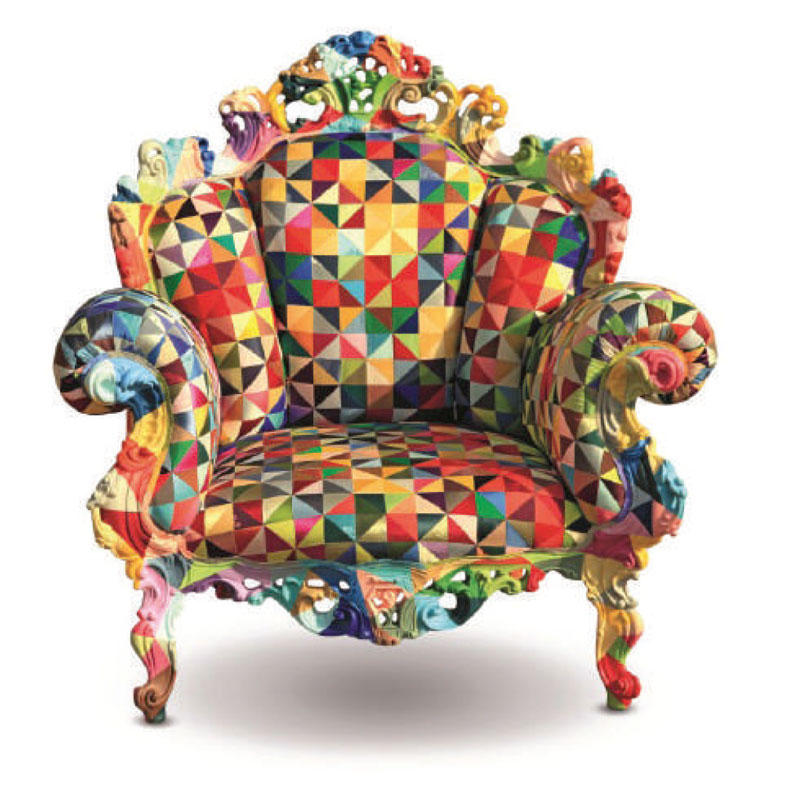

Italian architect and designer Alessandro Mendini, famed for designs including the Proust armchair and the Groninger Museum, passed away aged 87, on February 18th. A key figure in the radical design movement of the 1960s, as well as the postmodern movement that followed, Mendini produced influential works of architecture, interior design, furniture and lighting through his 60-year career. The architect also co-founded Domus Academy, which today is one of Italy’s leading postgraduate design schools. He had also served as editor of Italian design magazines Casabella, Modo, and Domus. Mendini started his career in the office of artist and designer Marcello Nizzoli, after completing his architecture degree at the Politecnico di Milano in 1959. In 1979, he joined Studio Alchimia, an experimental collective that offered an alternative to the strict rules of modernism, instead favouring bold colours and decoration. Its work paved the way for the Memphis group, set up by fellow studio member Ettore Sottsass, and the postmodern architecture movement. During this time he completed the Proust armchair, one of the most iconic and revolutionary chairs of the 20th century. It combined a baroque shape with a pointillist surface pattern, meaning its wooden frame and upholstery were covered in hundreds of tiny hand-painted dots. Mendini set up his architectural practice in 1989 with his brother Francesco, called Atelier Mendini, which he ran right up until his death. His key projects included the Groninger Museum in the Netherlands, a building with a vibrant yellow tower; Museo di Omegna, an unashamedly postmodern building in northern Italy; and the Teatrino della Bicchieraia theatre complex in central Italy. He also collaborated with leading industrial-design brands including Alessi, for which he designed the Anna kitchenware and a version of the Moka Espresso coffee maker. Mendini first moved into journalism in 1970, when radical design was at its peak. He edited Casabella magazine from 1970 to 1976, then switched over to Modo magazine in 1977. His editorship at Domus, from 1979 to 1985, provided a critical ideology to the postmodern designs that he and his contemporaries were producing.