

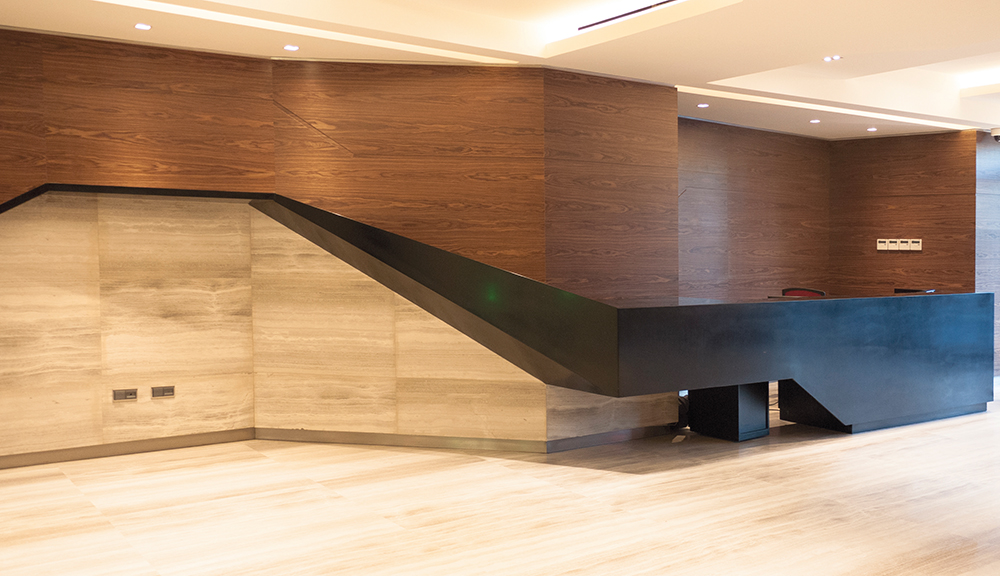
Location: Merdiven ve holler.
Natural Stone : Silver Grey
Quarry: Mediterranean Region (local stone)
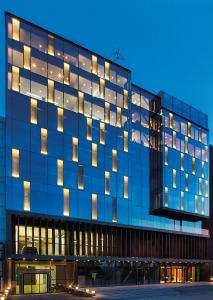
The building, situated at the point where Büyükdere-Maslak axis intersects with the collection road at Seyrantepe location, is a remodeling project. Numerous buildings, created with speed with qualities in reverse proportion to that speed following the post-1980 intensive buildup initiative in the area, were built without the requirements of the day being met. This building too, which is at a location which is the periphery of Büyükdere-Maslak axis when built, has gained a central location as the periphery of the axis which progressed in time, extended to Istinye nowadays. At this point, one of Turkey’s leading contracting firms, Summa, took the initiative of transforming this building into its headquarters venue.
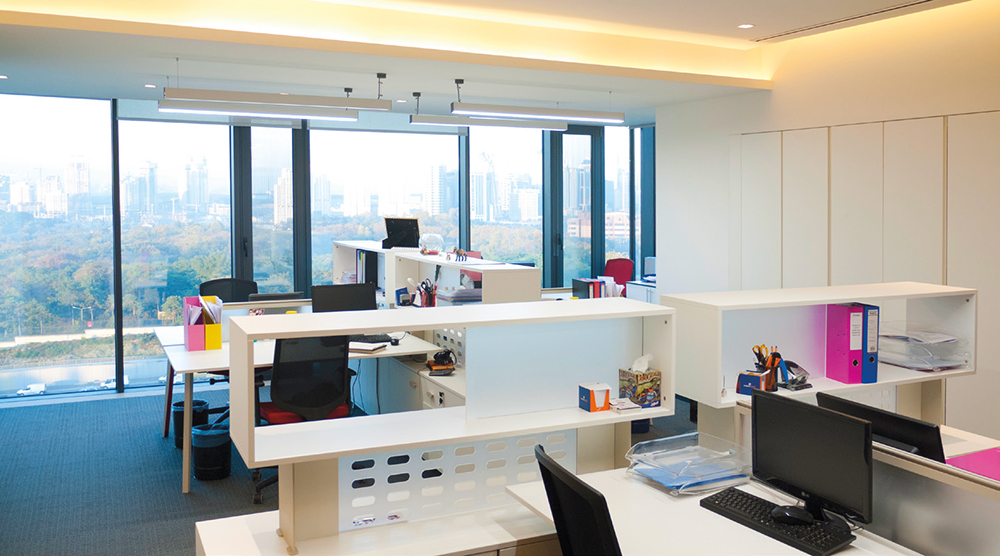
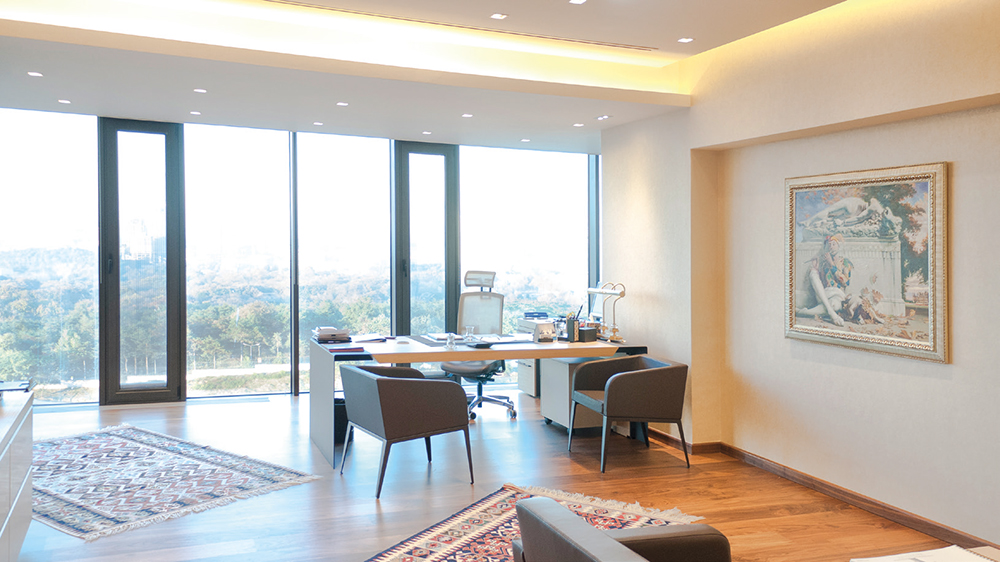
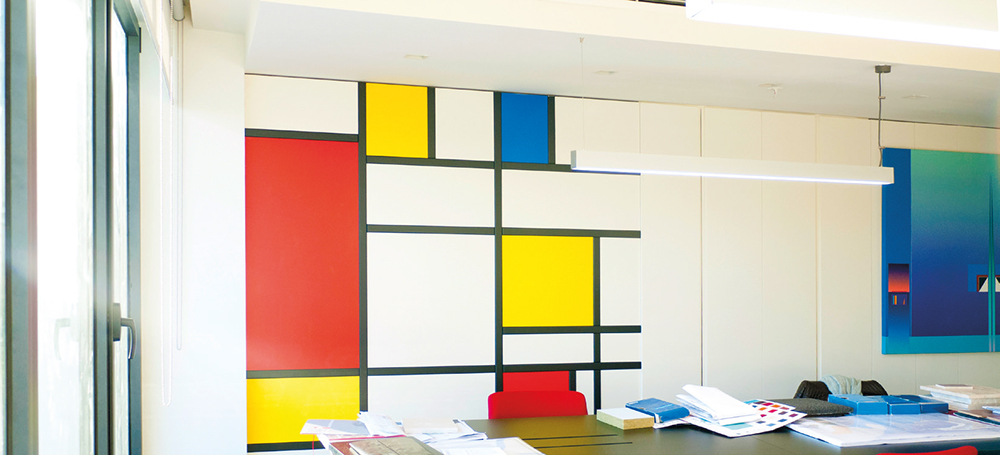
In the design of the project, in addition to the opportunities afforded by the existing building, and limits and restraints that came along; the most important design component was the working mechanics, interior dynamics and representation of the identity of the firm Summa.
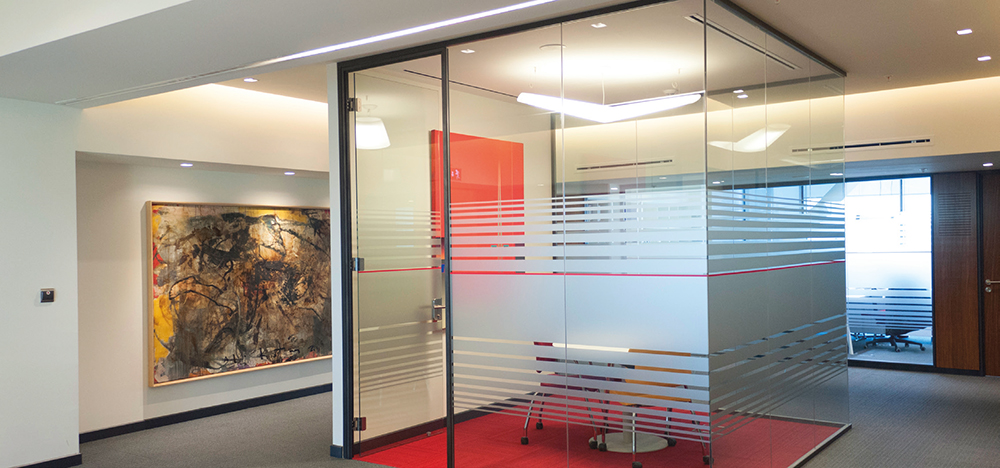
One the most important concepts shaping design is “transparency”. In addition, yet another concept appearing sharply is the state of being “front” and “face”. The highly perceivable symbolism of the front façade going from Maslak to Levent, has caused the front façade to be defined as a “face” ahead of the other façades opening to the city; stressing the identity of the building at the time of encounter. Hence, one of the first decisions made was that the rear three façades should be plainer and should stand behind in a union of language with the front façade, having a setup which has high visibility, is more elegant; and employing the potency and aesthetics of transparency in such a way not to put a reserve on the language of the whole building
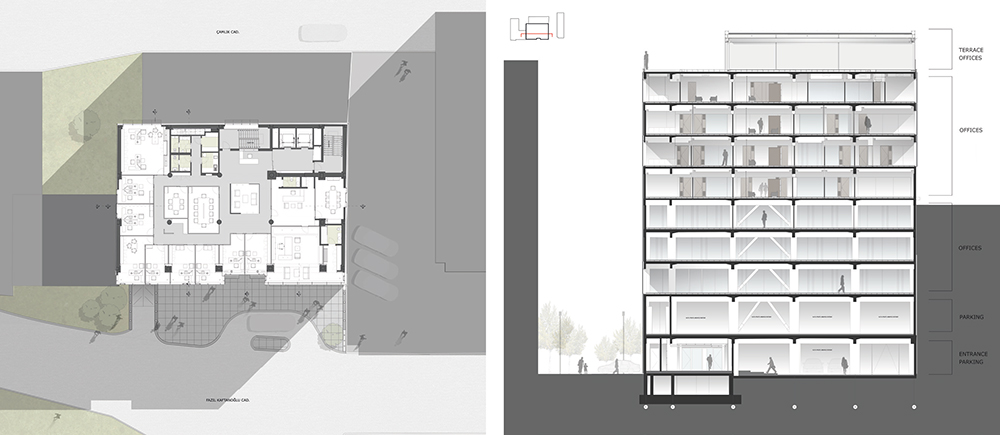
The design overall comprises five main parts which can be examined through a vertical hierarchy. The office floors are segregated strictly by a corten horizontal floor which is totally different from the entrance and the ground floor, in terms of material and language. This move not only reinforces the segregation of functions, but also allowing the existing building which is not of high quality proportionally to be perceived vertically into layers, leading to better proportioned spaces; allowing these two separate pieces to be perceived within themselves. The surface of the car park on the first floor built by corten vertical elements also forms the eaves of the entrance by a continuous move, enhancing the emphasis of the entrance-greeting venue. The six-floor glazed mass, segregated from all these entrance and eaves spaces by material and also proportions, accommodates the office units. There are management, conference and lounge functions on the roof floor which is at the top of the office settlement, which can once again be read by hierarchy. The two floors, right under the roof floor, are dedicated to Summa offices.
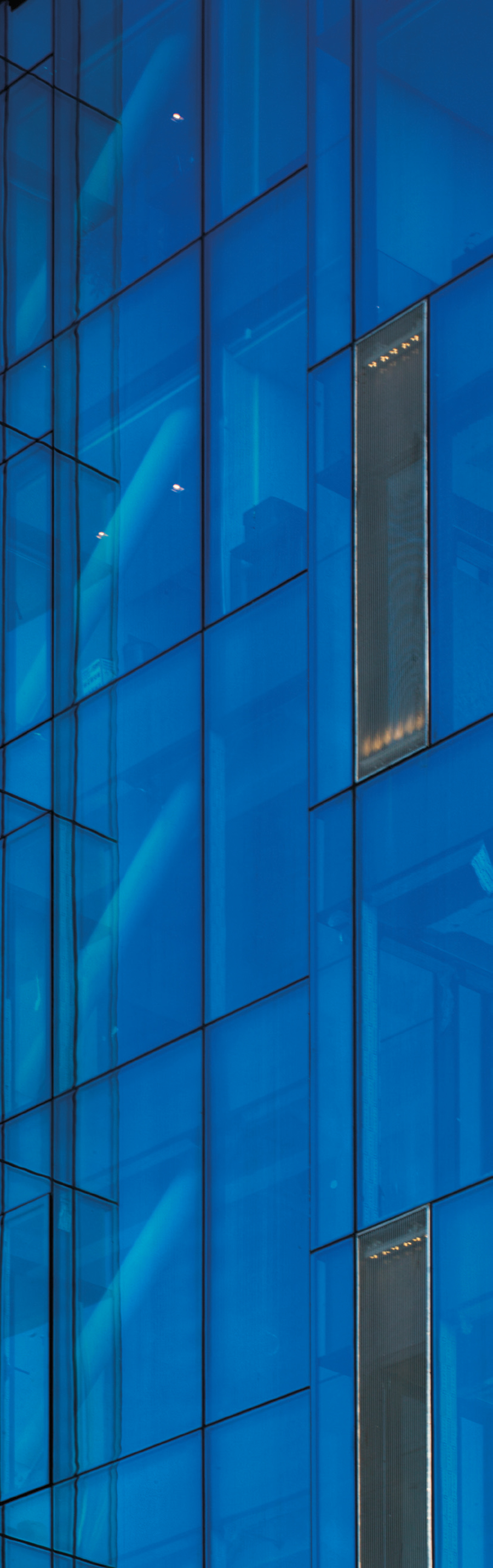
Following the differentiation created on the transparent glazed surface; in selection of material, broad glass surfaces are combined by narrow metal strips, allowing not only more functional but also a more striking façade to be obtained. The narrow metal parts allow to be opened, hence affording natural ventilation in addition to the broad perspective and light brought about by wide glazed surfaces. These metal parts have an irregularity shaped according to the use of the interior.
Alongside of these, night and day looks were considered individually brought together in a single design. While the enhancement of usage and spatial quality of daytime office workers was the main character of design, the visibility and representation of Summa Headquarters at night becomes important with the design, aiming to satisfy both these elements. The existing building is carried to the present from its own period, transformed into a high quality building, establishing the representation of Summa identity which is not of a period any more but of an idea; hence which will maintain its existence as long as that idea survives.
CREDITS
Client: Summa
Architectural Office: Avcı Architects
Design Team: Selçuk Avcı, Büşra Al
Architectural Practice Project Design Team: Selçuk Avcı, Deniz Nar, Özge Öztürk,
Tuğba Öztürk, Büşra Al and Simay Ataköy
Architectural Project Controlled by Team:
Selçuk Avcı, Deniz Nar and Özge Öztürk
Project Management and Construction
Controlled by: Summa Tourism Investment
Interior Design: Avcı Architects
Contractor Company: Summa Tourism Investment
Static Project: Nodus Engineering & Consultancy
Electrical Project: ETM Electirics
Mechanical Project: Vemex Engineering
Furnitures: Nurus
Construction Type: Reinforced concrete
Location: Seyrantepe, Istanbul
Project Date: 2013
Construction Date: 2014
Land Area: 830 m²
Construction Area: 585 m²
Photographs: Gurkan Akay
Yağmur Yıldırım / Architect