Creating Something That Has Yet to Exist
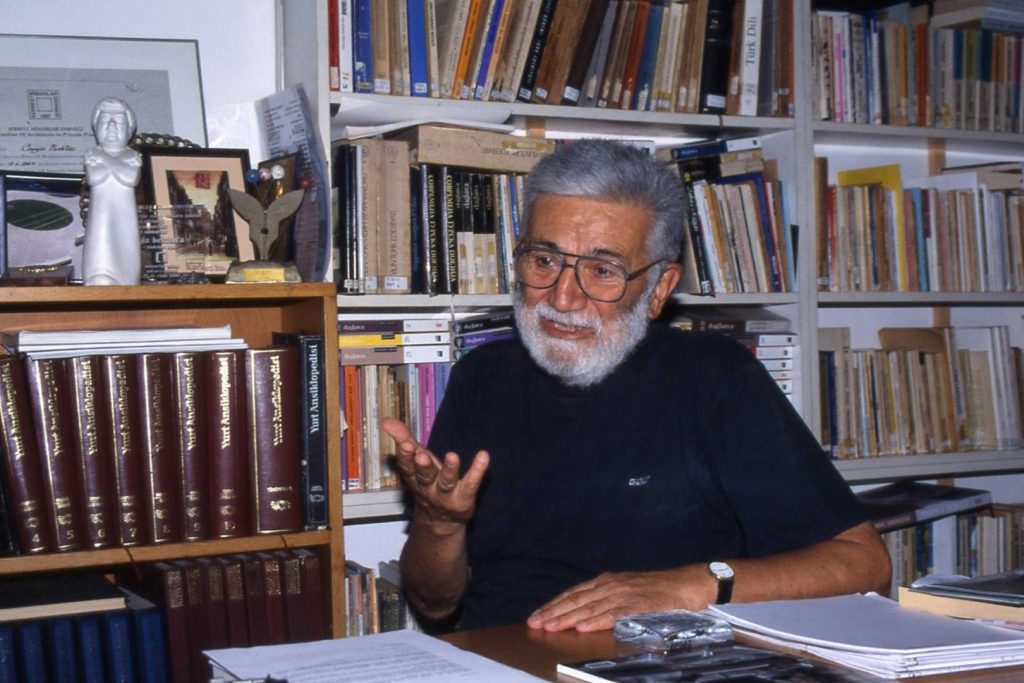
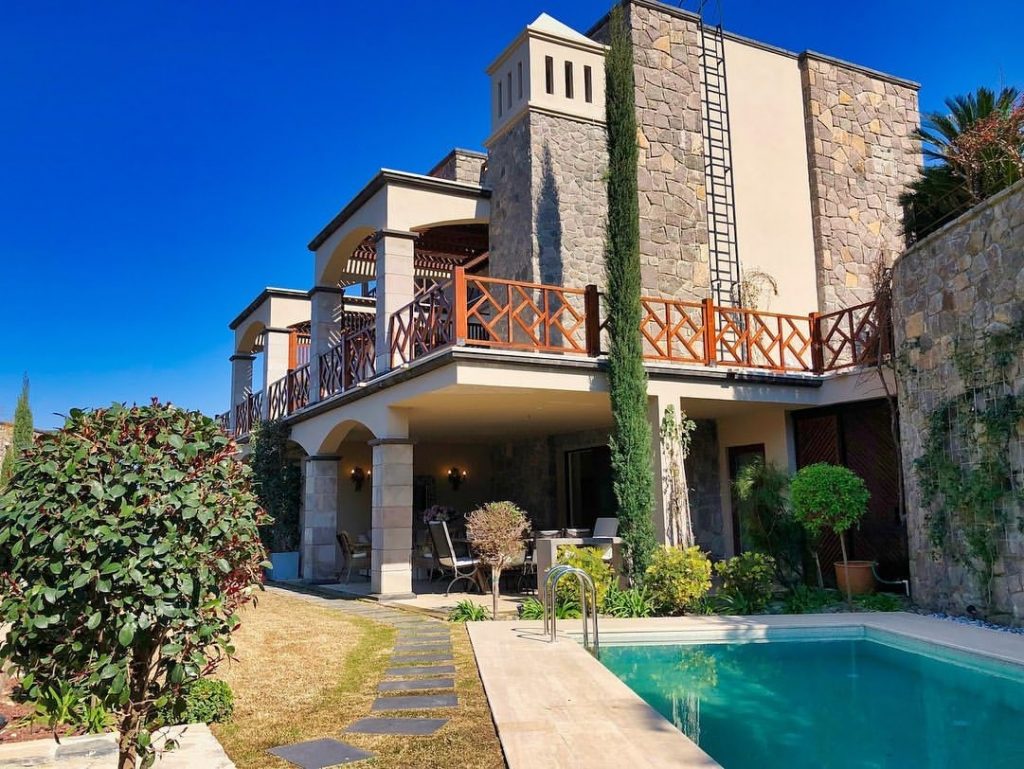
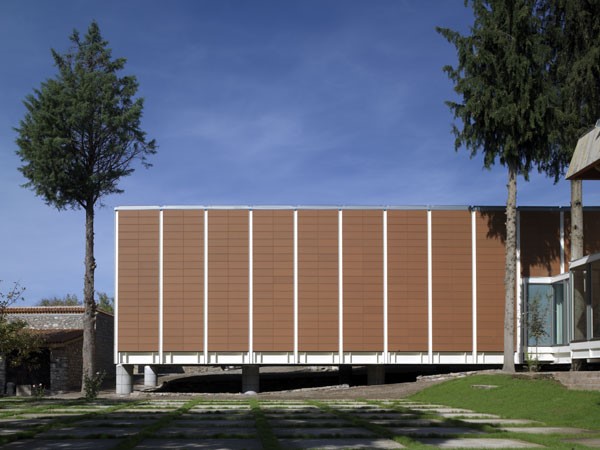
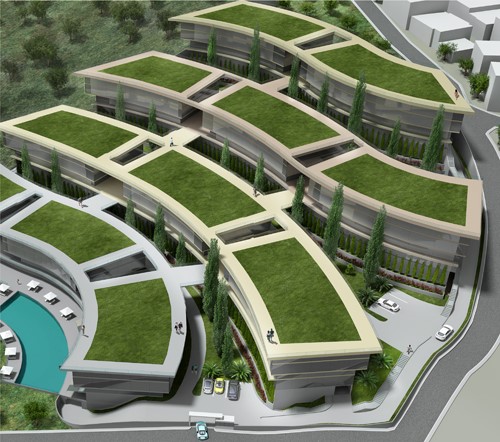
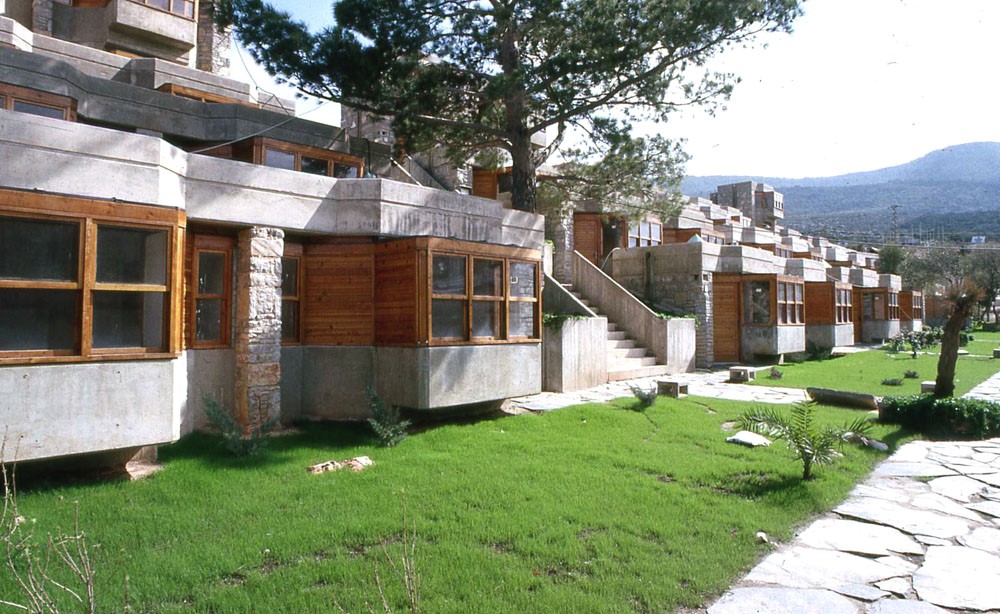
On March 18, 2020, Oğuz Öztuzcu left us for good. He was the founder of Öztuzcu Architects as well as one of the former heads of the Istanbul Association of Architects in Private Practice. Born in Samsun, Öztuzcu studied first at Robert College, and then at the Faculty of Architecture at METU. He later attended the University of Liverpool as a graduate student, where he studied collective housing and urban planning. He ran an architectural firm in Stockholm (Sweden) between 1970 and 1978, before returning to Turkey to launch another firm and carry on with his career. Öztuzcu was also passionate about photography, to the point that he even held many a showing both at home and abroad. The vast majority of his architectural undertakings took place in southern Turkey, namely the Hebil Koyu Stone Housing Complex alongside various projects in Kayaköy-both in Bodrum. He also founded the Çatalhöyük Friendship Foundation in 1994 in order to support the Çatalhöyük
digs. As part of that, he organized various tours and fundraisers, and tried to raise public awareness via the media about the excavations. He became a member of the Istanbul Association of Architects in Private Practice’s (ISMD) board of directors in 2003, before working his way up to Vice President in 2007 and then President in 2012. While representing the ISMD, he undertook “Yaşasın Mimarlık” a 12-part NTV documentary project funded by the European Union. In one interview, he stated that, “If you do something that already exists, than it is not a creation. A creation means creating something that has yet to exist. He carried with him the notion that one must put forth new ideas to [already] quality design and architecture.
“Both Poets and Architects Spin Nothing into Something”
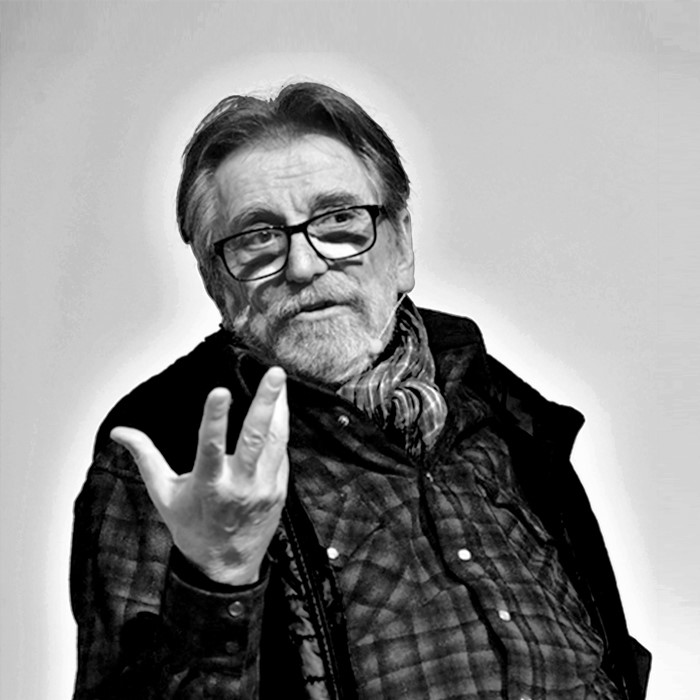
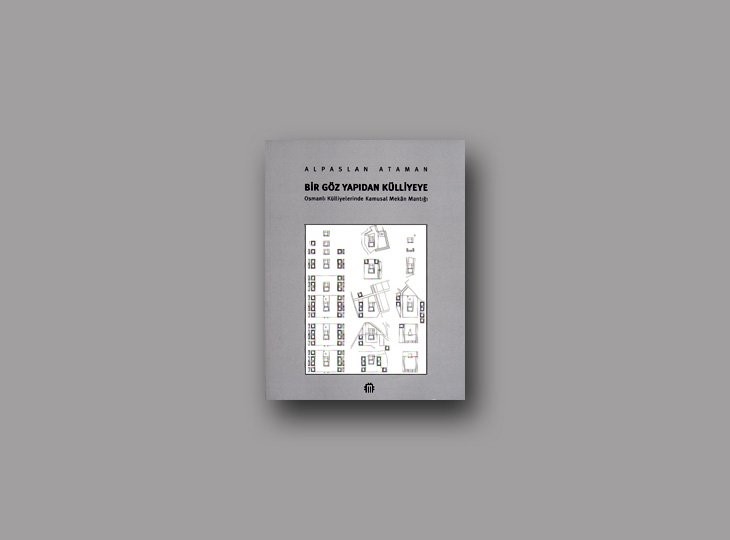
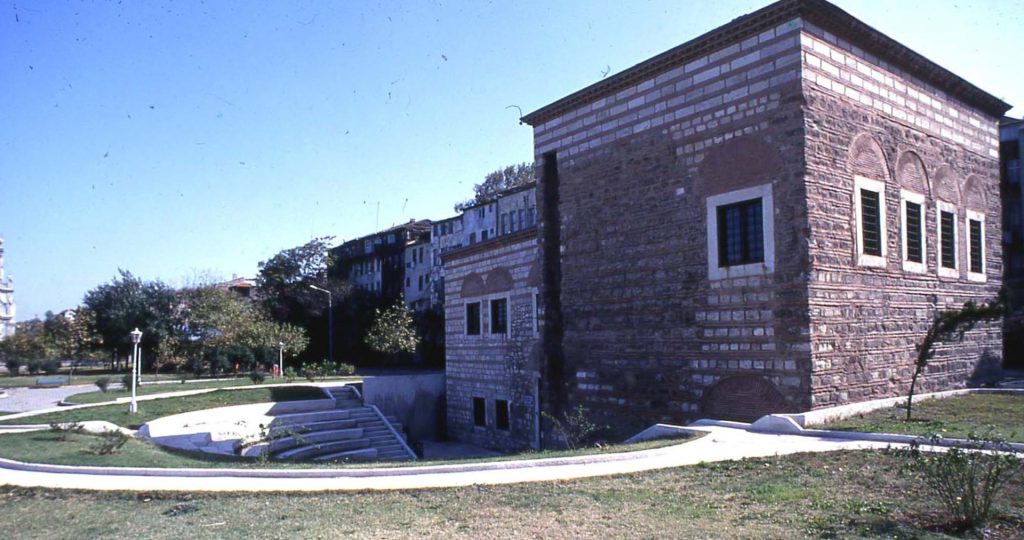
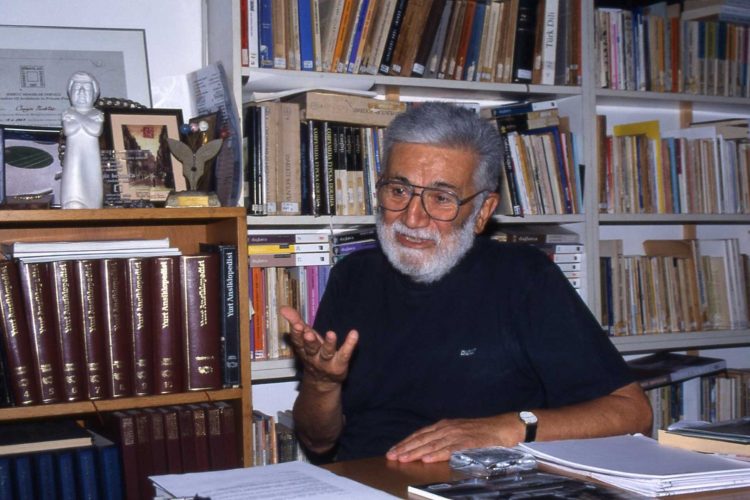
Cengiz Bektaş not only was an architect but also an author, and the winner of many accolades throughout his life-most notably, the Aga Khan. He passed away on March 20, 2020, leaving behind many prominent works. Bektaş was born in 1934. He studied at the Faculty of Architecture at the Istanbul State Academy of Fine Arts as well as at Technical University of Munich before spending his career working as a freelance architect in Munich, Ankara, and Istanbul. Along the way, he cofounded his own architectural firm in Ankara with Oral Vural. He guest lectured in Germany and the United States, as well as chaired the Turkish Writers’ Union. The National Architecture Exhibition awarded Bektaş with the Sinan Prize in 2016. His project, “Akdeniz University Olbia Social Centre” also earned him the International Aga Khan Award for Architecture in 2001. A prolific writer, Bektaş produced 106 works in a wide range of genres including books of architecture, culture, poetry, essays, and jokes, alongside children’s books. Bektaş’s well-rounded character embodied architecture and poetry. People would ask him, “How are poetry and architecture related?” His response was always: “They both spin nothing into something. Poetry is made up common words, and yet the end result, the emotions that it evokes in you, the imagery is something else entirely. In architecture, you have common elements such as sand, concrete, iron, and water… When you weave them together, what emerges is, again, something else entirely.” The International Bank of Industry and Trade alongside the Aydın Afrodisyas Museum Extension are among Bektaş’s most well known projects. Throughout his career, he lived by the philosophy that the “architect should be deeply aware of culture.” His works reflect an understanding of architecture that attached importance to the Turkish home and to Turkish culture.