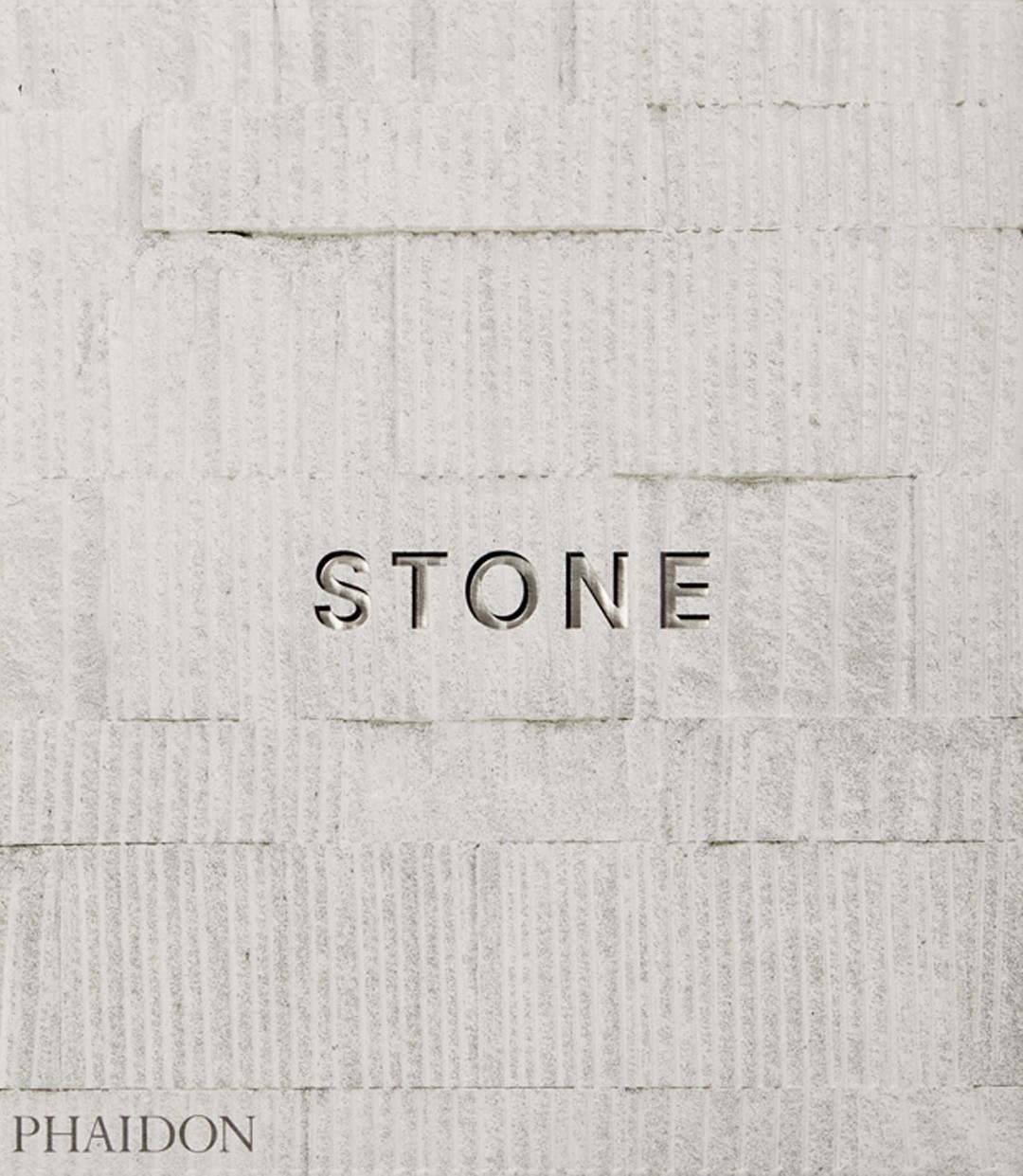
Phaidon,
one of the world’s most important publishing houses in the field of creative
arts and architecture, has published the final ring of the book series after
“Concrete “(2012), “Brick” (2015) and “Wood” (2017), focusing on the basic
building materials of architecture: “Stone”. Following the publication of “Concrete”
(2012), “Brick” (2015), and “Wood” (2017), “Stone” showcases a spectacular
selection of structures from the last 5.000 years and highlights the beauty of
this seemingly humble building material. Heavily illustrated with more than 170
stunning images and
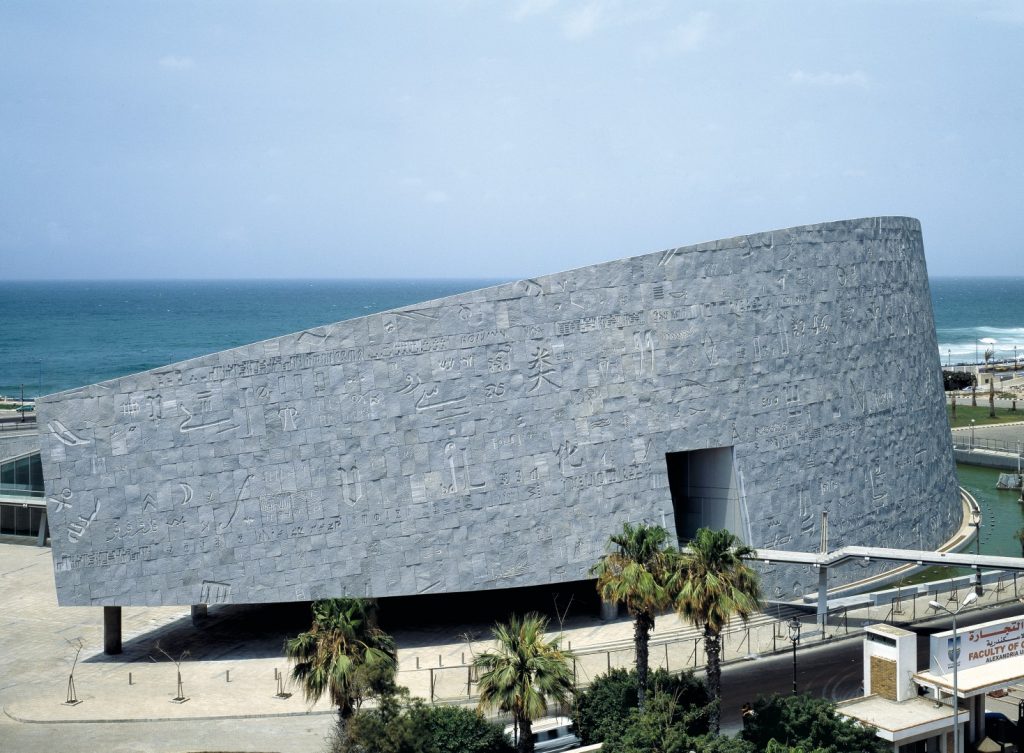
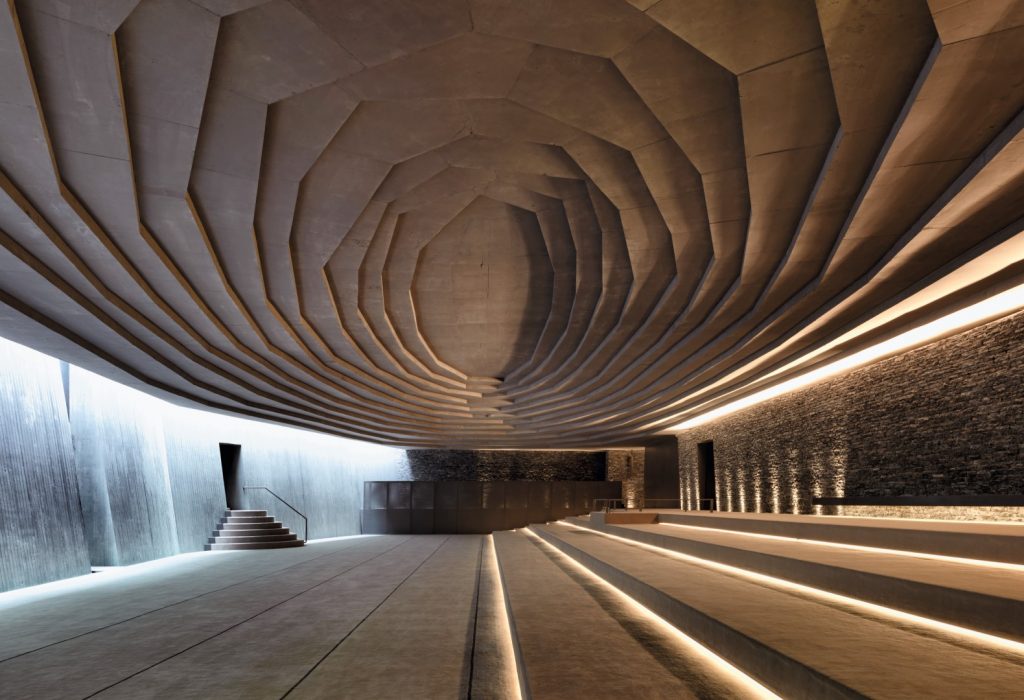
demonstrating the material’s extraordinary range, this new book will appeal to architects, students, and everyday fans of quality architecture. “Stone” features work from celebrated architects including Philip Johnson, Antoni Gaudí, and Mies van der Rohe; structures from contemporary talents such as Kengo Kuma, Grafton Architects, and Snøhetta; and equally striking and memorable buildings by many lesser-known newcomers. Spanning the globe, the featured projects include churches, monuments, private homes, retail shops, cultural spaces, and more – varying from the ancient and mystic to the luxurious and romantic: Stonehenge in Wiltshire; the Pyramids in Cairo; and the Parthenon in Athens; to Ashdown House in Berkshire Downs; the Céline Flagship in Miami; Zwinger Palace in Dresden and Sancaklar Mosque in Istanbul by Emre Arolat Architects. Following the same format as the previous books in the series, “Stone” is meticulously arranged to encourage comparison and discussion. Each entry includes key information – project title, architect, date, and location- alongside engaging extended captions, which provide insightful commentary. The projects are thematically grouped into chapters such as “Texture”, “Juxtaposition”, “Landscape” and “Light”, to elucidate their architectural qualities, and an embossed jacket enhances the tactile experience of the book, drawing the reader in and recreating the textural appeal of stone itself. “Stone” is written by designer and author William Hall and features an introductory essay by Penelope Curtis, the former Director of Tate Britain. With its blend of inspiring and beautiful imagery and discerning and thought – provoking text, “Stone” is a celebration of the humble building material –one recognised for its variety and tactility- but, when placed in the hands of the world’s greatest architects, offers endless opportunity for creativity and purpose. William Hall trained at Central Saint Martins and began his career in the office of the minimalist architect John Pawson. He now runs his own design practice in London, working with clients such as Calvin Klein, MoMA, and Tate. Hall is the author of Phaidon’s Concrete (2012), Brick (2015), and Wood (2017).