Visitors will be Welcomed by Rome’s Last Good Emperor
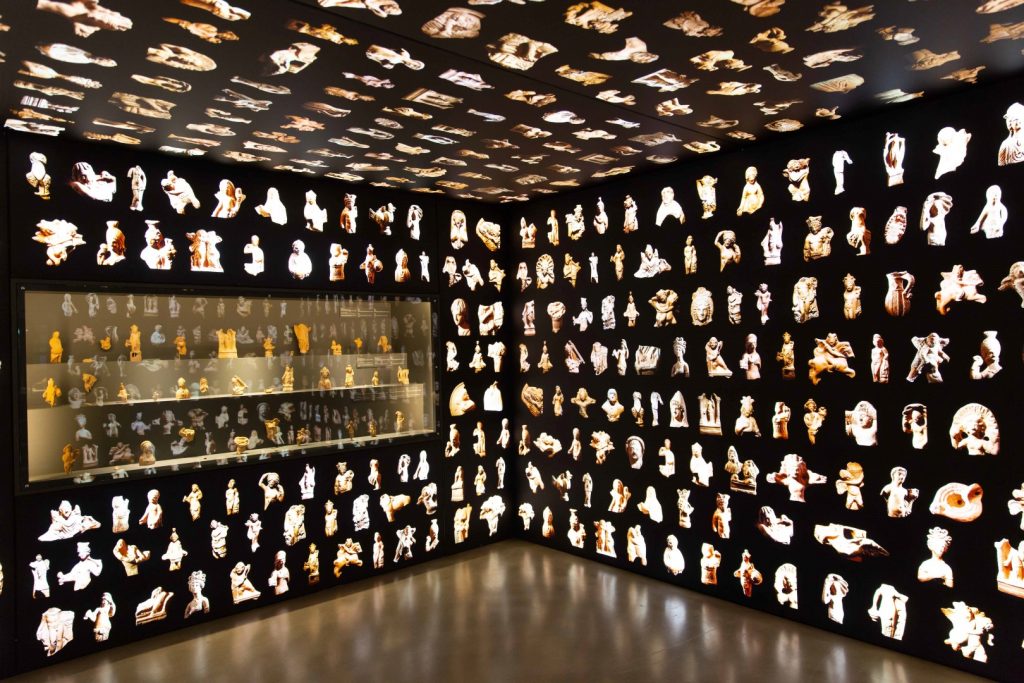
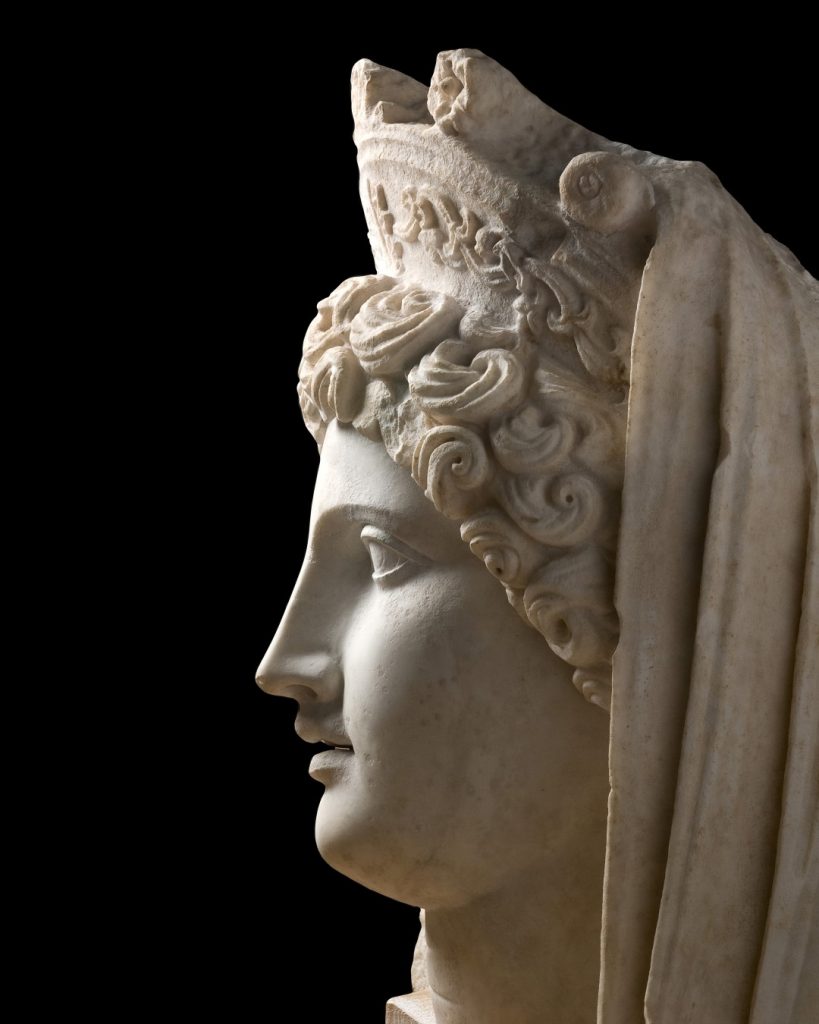
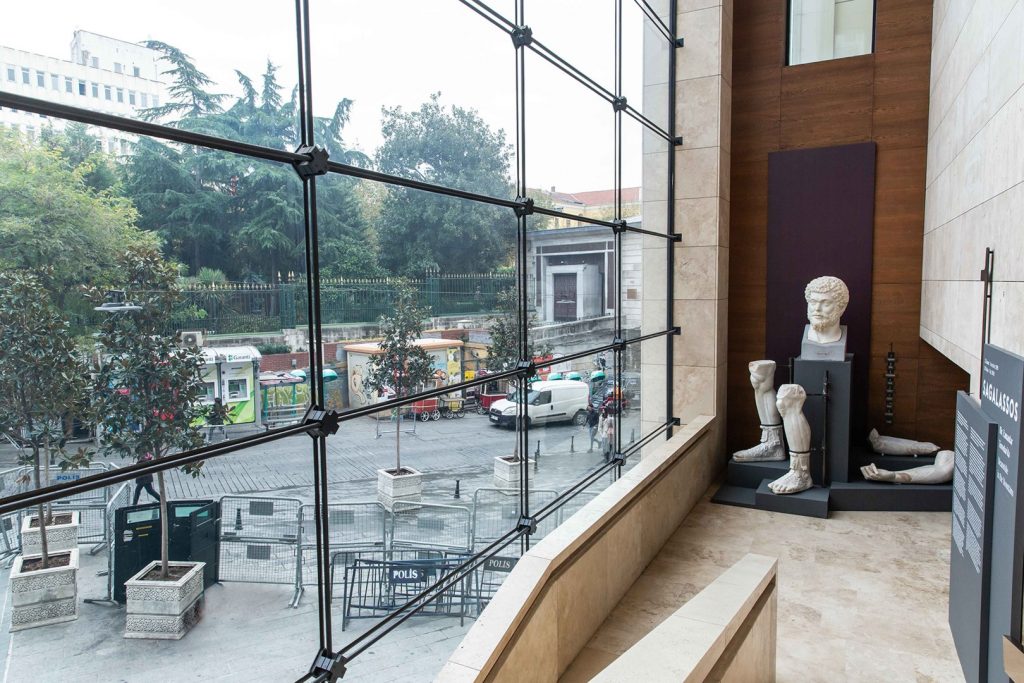
At the entrance to the museum visitors will be received by the statue of emperor Marcus Aurelius that was unearthed at the Roman Baths at Sagalassos. Originally approximately five metres high and carved in white marble, the head, arms and legs are displayed at the exhibition. The restoration of the Antonin Fountain at Sagalassos, which was built in the reign of Marcus Aurelius, was completed in 2010. The head of emperor Hadrian, who named Sagalassos Pisidia’s ‘first city’, can also be seen at the exhibition. The emperors Hadrian and Marcus Aurelius are among Rome’s Five Good emperors. On the first floor is a multifaceted presentation of the Sagalassos excavations, which is an interdisciplinary research project that commenced in 1990. Shown with the excavations are also Sagalassos and the Pisidian terrain it is part of, along with the geology, vegetation cover, belief system, gods, people, fauna and flora. On the second floor are the primeval periods with artefacts from the Bronze Age, when Sagalassos was founded, the Hellenistic Period, the Roman Period and the Byzantine Period arranged chronologically. The Upper Agora unearthed during the Sagalassos excavations as well as the best examples of statues of emperors, gods and heroes recovered there are also on show here. The third floor comprises thematic sections about ancient economy, quality of life, dietary habits and kitchen utensils, how people dealt with death, and the characteristics of death. Visitors are received by a statue of the goddess of agriculture and abundance, Demeter with the beautiful hair. This section also contains a reconstruction of the rock temple to which it is believed the people of Sagalassos focused their votive observance and from which hundreds of terracotta figurines were recovered. The Sagalassos excavations, interdisciplinary excavations and restoration work of the Sagalassos
Archaeological Research Project that have been conducted since 1990 occupies a very important place within the international scientific community. The exhibition also offers visitors a chance to see these scientific studies in one place. Experts have recreated the faces belonging to the skulls found during the Sagalassos excavation of a Roman man dated to the 3rd century CE and to a Byzantine woman dated to the 11th century. Excavation director Jeroen Poblome, who characterises face reconstruction as a combination of science and creativity, notes that the digital face reconstructions have an accuracy of 75%. The Pisidians, whose real names are unknown, have been named Rhodon and Eirènè by the research team. With the busts of Rhodon and Eirènè having been brought to the exhibition, visitors will have the opportunity to meet ancient Pisidians. The project’s scientific consultancy is undertaken by professor at KU Leuven University and Sagalassos Excavation Director Jeroen Poblome, the coordination by Director of Yapı Kredi Museum Nihat Tekdemir and the design by Pattu Mimarlık. The photographs of the objects brought to the exhibition and all the landscape photographs used at the exhibition were shot by the Belgian photographers Bruno Vandermeulen and Danny Veys. The exhibition is accompanied by a comprehensive book featuring all the historical stages of Sagalassos and the region of Pisidian where it was located. The book “Meanwhile in the Mountains: Sagalassos” is produced in Turkish and English by Yapı Kredi Publications and is the publisher’s 5.500th book. It contains 27 articles, each written in the light of the latest current data by experts in their field, and this makes it the most up to date reference book on Pisidia and Sagalassos.