On Empathy
The word empathy was invented in the 1910s. The prefix “em” next to the Greek pathos sought to capture the idea of feeling with, a translation of the German “Einfühlung”. The term emerged in psychology circles, when a word was required to describe how the aesthetic experience of an object extended to the viewer’s body, emphasizing the transference of feeling from a thing to a human. If nowadays the term is used to describe the capacity to perceive other people’s expressions and feelings, in the 1910s it was much more generous in that it encompassed the relations between bodies other than the human. In her book titled “Empathy: A History”, Susan Lanzoni explains how Violet Page, who used the male pseudonym “Vernon Lee” as she recorded her bodily sensations when observing sculptures in museums in Rome and Florence, thought of empathy as the lending of one’s life to a thing. Historically, empathy has meant the ability to inhabit the other’s perspective, entering alien forms, transforming into objects, living other realities. Be it in psychological, political or aesthetic contexts, empathy has been linked with simulation, transference and reflection.
Now, 100 years after its inception, it seems like the right time to revisit the original sentiment of the term. The ecological crisis we live in can be directly linked with notions of progress and development based on practices of extraction and exploration. The Cartesian model that dominated Western thinking since the Enlightenment is no longer suiting. The post-human paradigm suggests that all things have their own relations with the world, that reality is a multi natural continuum across all living and non-living entities. In revisiting the word empathy, the 5th Istanbul Design Biennial wants to reimagine a role for design concerned with feelings, affects and relations. Under the contemporary post-human philosophical gaze, and in face of the current technological horizon, these gestures gain a whole new potential. By revisiting empathy, the biennial wishes to celebrate design for:
More Than One Perspective
Empathy begins with acknowledging the position of our body in relation to the world. It is from a specific place that we perceive, and that place determines what we feel. Astronauts that have seen the earth from space describe an aesthetic experience of “awe and wonder,” a feeling that became known as the “overview effect.” This deeply emotional state promotes a sense of connectedness with the Earth and with one another. Much like this cognitive shift experienced by astronauts, design tools like mirrors, lenses, cameras and scanners allow us to re-centre our viewpoint and see things that we couldn’t otherwise perceive. New perspectives evoke new feelings and understandings of reality. What design tools reveal what perspectives today? How does design help us sense the world?
More Than One Dimension
Empathy describes the transference of feeling from one body to another. It’s about two bodies being connected with one another remotely. Artificial intelligence is based on the transference of knowledge and thinking processes from humans to machines. The promise of the 5G city is one in which information travels across living and non-living bodies. The Internet of Things is based on the collection of data “sensed” by a network of objects. Augmented reality allows bodies to exist simultaneously across parallel realms. Platforms like Twitch, watched by more people than television, mix up virtual and real worlds. How does empathy form across these platforms? What structures of feeling and care do new mediums put forward?
More Than One Body
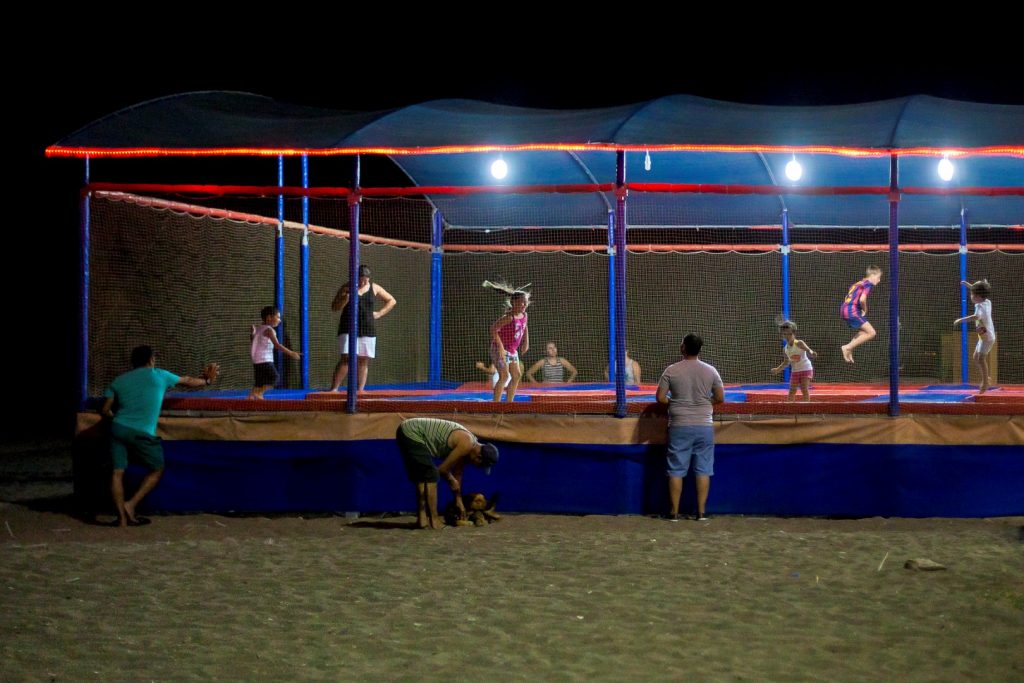
Empathy describes moments when we are more than one. In Posthuman Knowledge, feminist theoretician Rosi Braidotti suggests that the post-human paradigm, beyond anthropocentrism, invites us to search new forms of social bonding and community building. How may we think of design as a practice not suited just for one body but something that links many bodies, be them human bodies, animal bodies, vegetable bodies or mineral bodies? And, if objects orient life in limiting ways by choreographing normative behaviours, as scholars such as Sara Ahmed suggests, what objects distort and disorient established forms of collectivity?
Structure of the 5th Istanbul Design Biennial
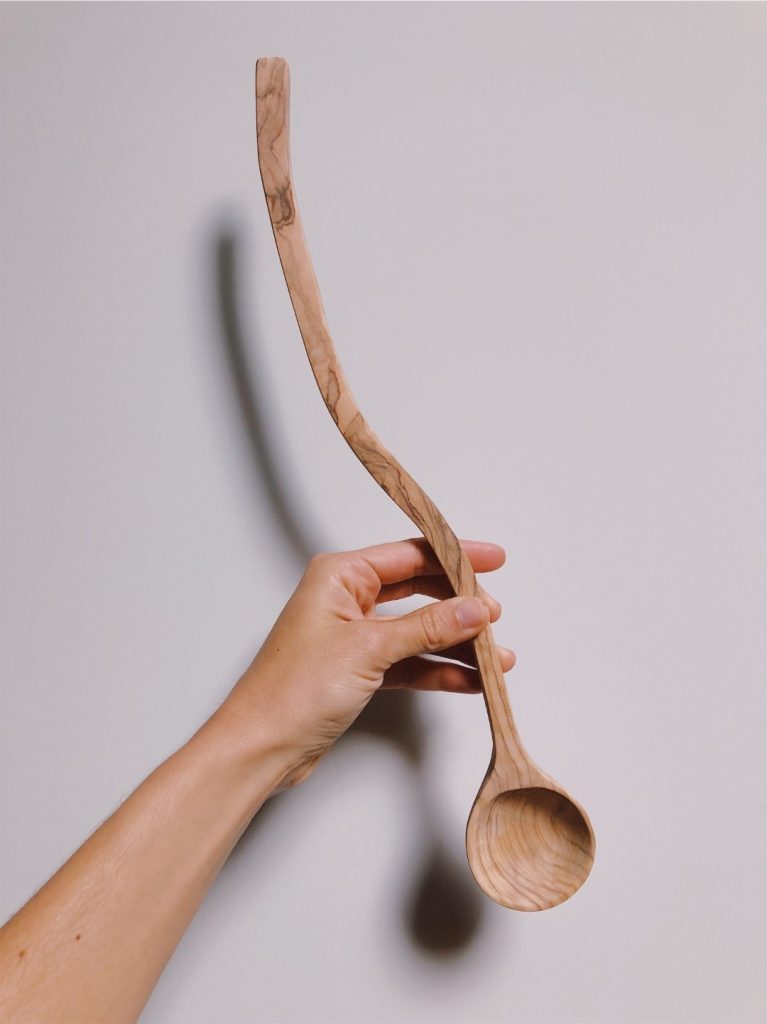
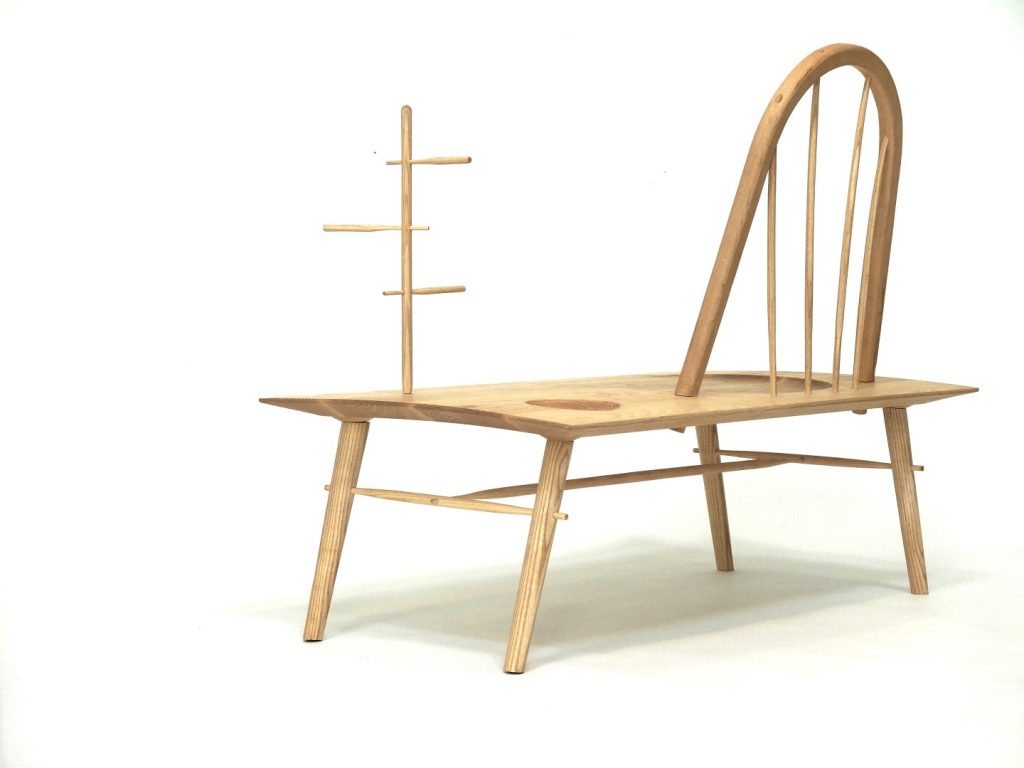
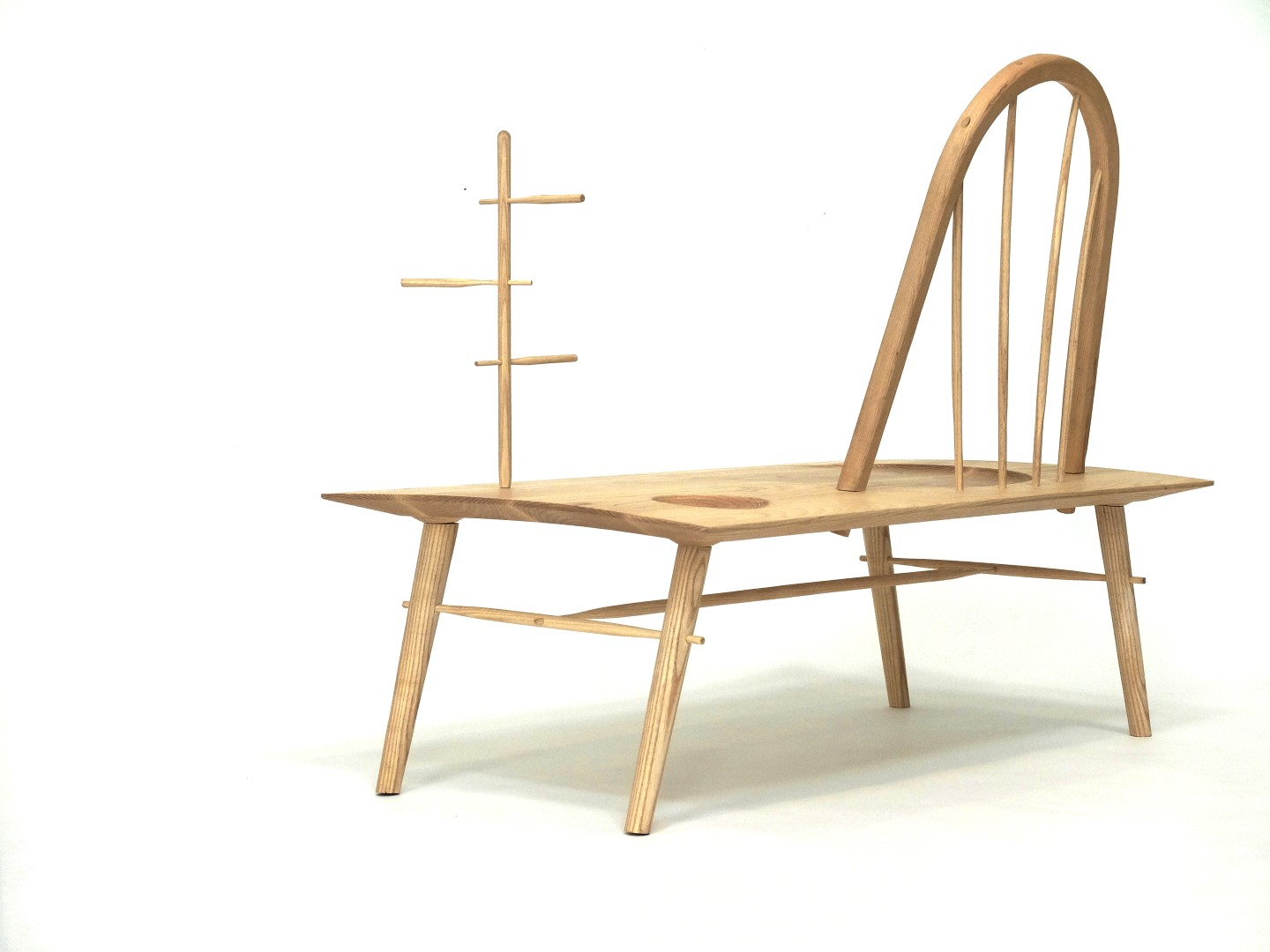
The biennial will comprise a “Kitchen” and an “Observatory”, which will manifest in two separate venues. Much like a laboratory, the Kitchen is a place of experimentation, but one open to both professionals and amateurs. From the kitchen we can watch social, economic and urban dynamics. It is a space of hospitality. In the kitchen, the tongue is both for tasting and speaking. The kitchen table conveys the action of bodies other than the office table or the meeting table. Through food we will access the pluriverses that our post-human existence touches upon and constructs, from microbial life to agricultural rituals. In this programme the kitchen will work both metaphorically and literally. A library of objects comprising dining sets, cutlery, seating arrangements, pots, pans and other objects necessary for the collective preparation and ingestion of food will be on display and in use. Thus the Kitchen will convey different forms of design practice: from plates, tablecloths, chairs and glasses to soups, broths and pickles. A range of guests will be hosting on rotation transforming the space, the menu and the conversations that take place in the Kitchen. This programme is inspired by the cultural significance of the Turkish word “sofra”, which means a ground cloth or table for dining, but more so evokes an act of togetherness. An open call will be announced in January for projects and events that revolve around the Kitchen. Food practitioners, cooks, product designers, architects and dining enthusiasts will be welcome to apply. The Observatory will manifest in the form of exhibition, and will be a platform to watch, record and perform practices of empathy in today’s world. It will comprise tools, devices, installations and other objects; design for more than one perspective, more than one dimension and more than one body.
Young Curators Group
The Young Curators Group will be formed of young curators based in Istanbul, working as part of the 5th Istanbul Design Biennial. This group will be responsible for contextualizing the theme of the biennial locally by connecting to practitioners, thinkers and makers in the city, and establishing links between the programme and historical approaches in Turkey. It is hoped that, as representatives of a younger generation, they may put forward a particular perspective to complement that of the other curators.