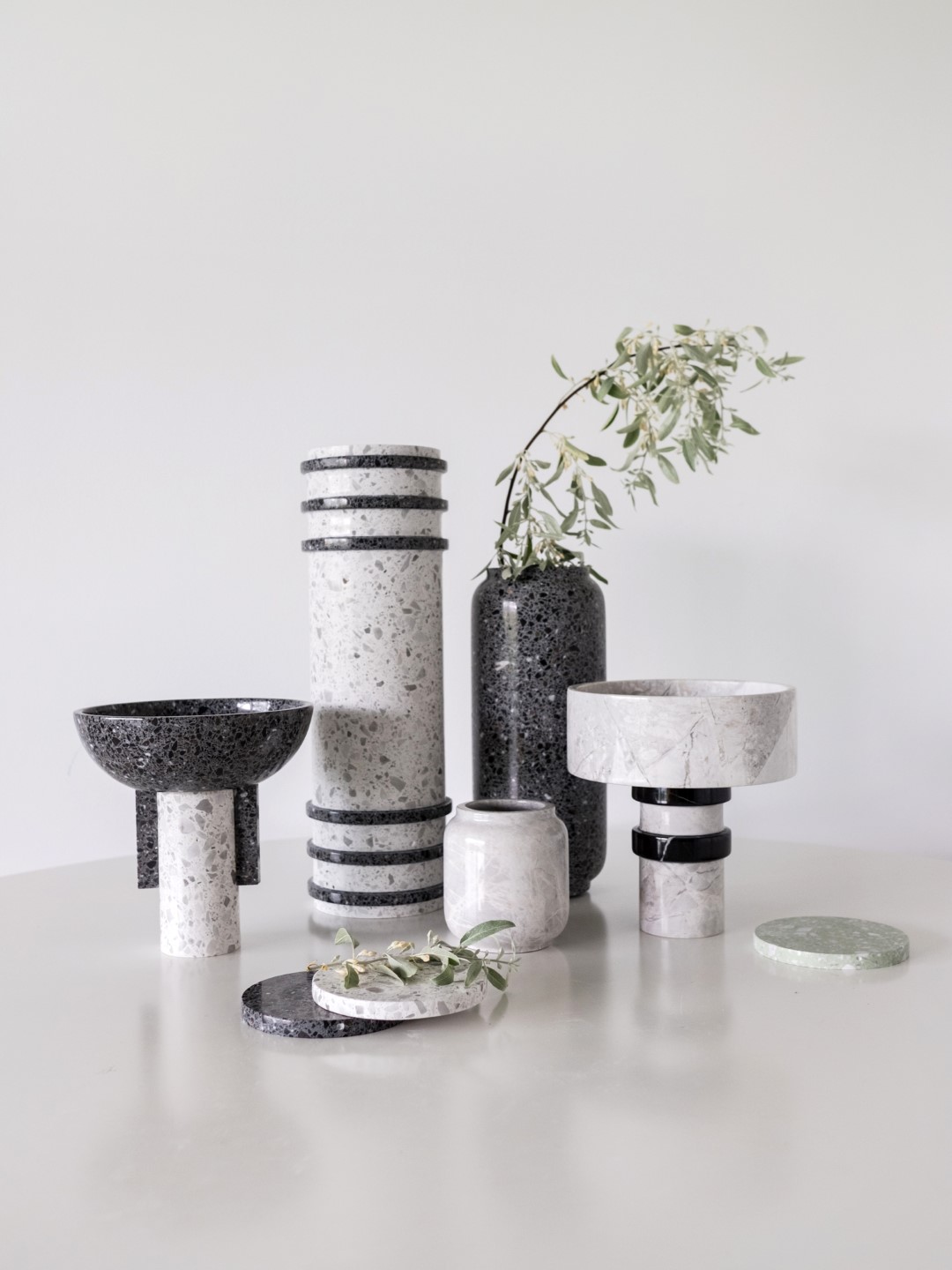
Could you briefly tell us about yourself and your brand?
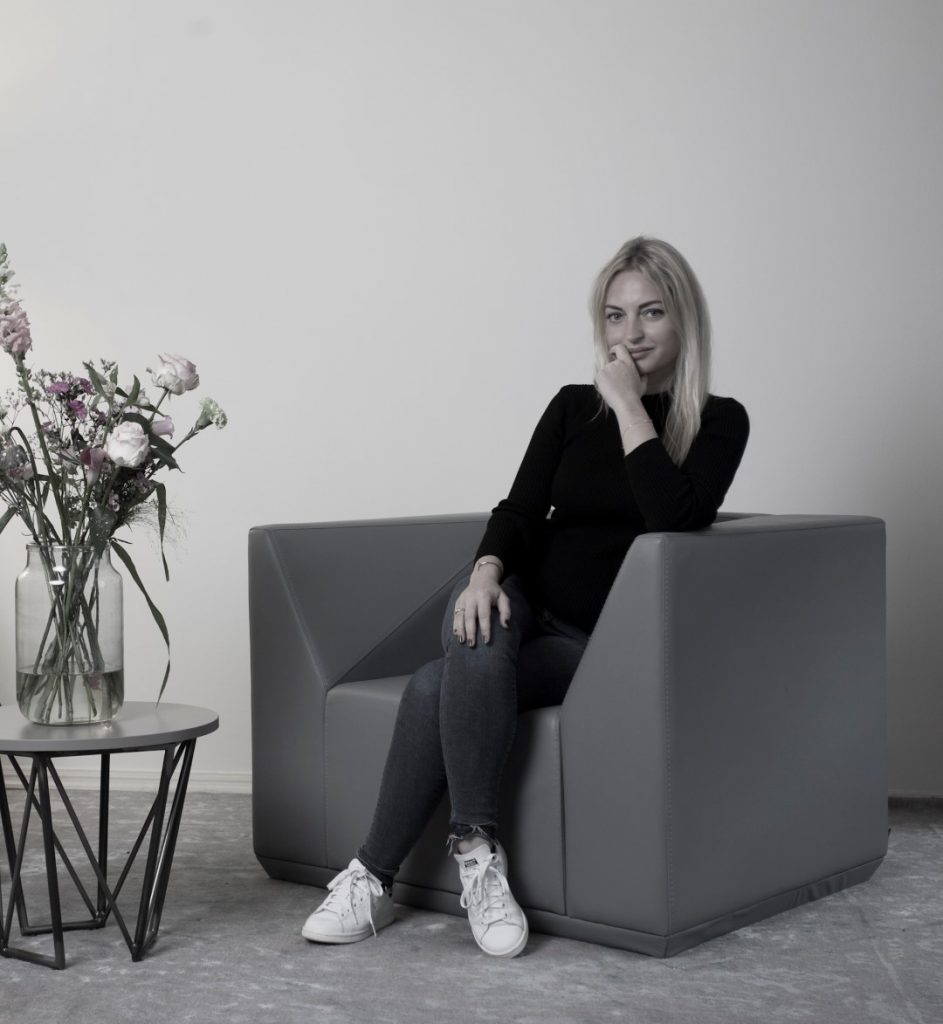
Dila Gökalp: After studying Architecture at ITU, I launched my career as an architect and interior designer in 2009. Our firm also custom designs furniture and decorative accessories for our projects as well. We came up with the idea of issuing a catalogue after a number of our clients had expressed wanting both to see our line of custom products side by side and to have them made. As we began working on the catalogue, we felt the need to come up with a collection that was totally unique – hence how KONSTANTIN came into being. As you know, Chonstantine was not only the founder of Constantinople but also the Emperor of the Byzantine Empire. Our biggest source of inspiration was the fact Constantine I had attempted to create a magnificent empire in the East that was founded upon the tenants of Western culture. He was an important leader who had managed to blend occidental thought with oriental heritage. This thus created an important launching point upon which to reflect our brand’s vision. We view the materials and artisanship of the East as an inheritance, and re-interpret them through a contemporary lens. KONSTANTIN embraces local geography, and transforms that into everyday “contemporary heritage” decorative accessories and custom furniture.
You design modern, artisan objects under the KONSTANTIN logo. They moreover heavily feature natural stone. How and in what ways did the quest for material lead you to natural stone?
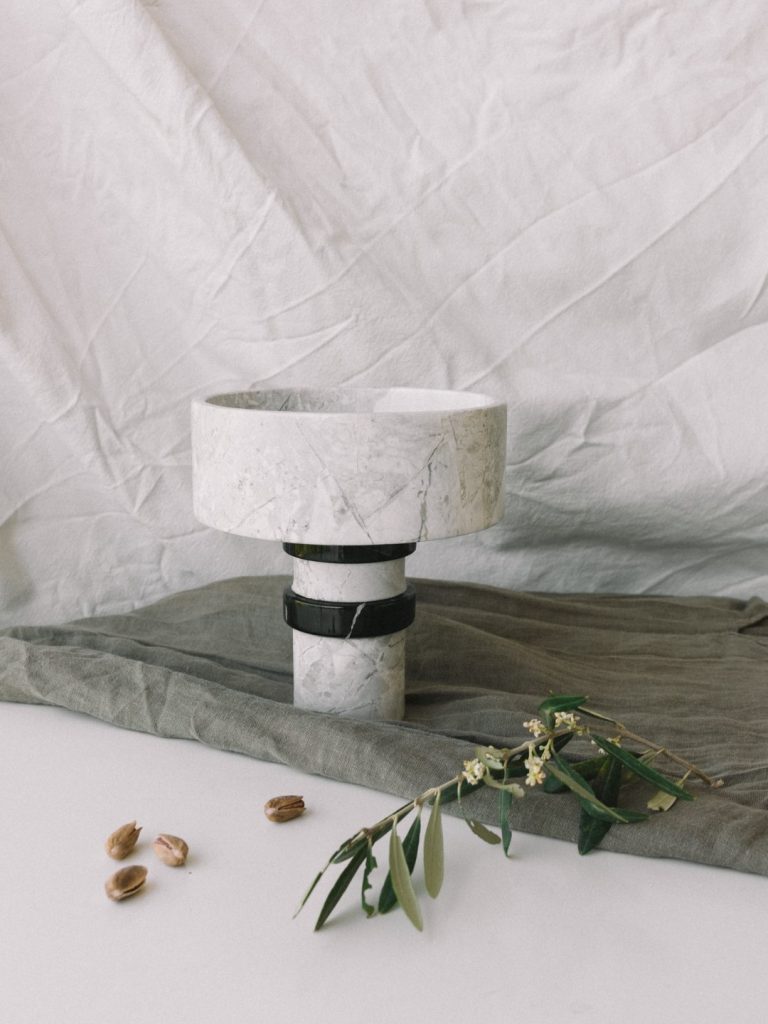
DG: When we up with the idea of creating a brand new collection, natural stone immediately sprung to mind. We already were using it throughout all of our other projects anyways. As you probably already know, the most widely used two materials featured in the bulk of our architectural heritage – that is, our monuments and public buildings – are natural stone and marble. The marble work that constitute the floors, walls, and columns of the Hagia Sophia, the marble work along the columns surrounding the exterior of Dolmabahçe Palace, as well as the marble capitals atop the pillars of Selimiye Mosque’s courtyard and porch all serve as exceptionally impressive examples for us. You possess an interdisciplinary identity.
Not only are you an architect but you’re also an urban planner as well. Do these two identities guide you in terms of scale and material when it comes to designing for KONSTANTIN? From marble to terrazzo, what makes natural stone so special to you?
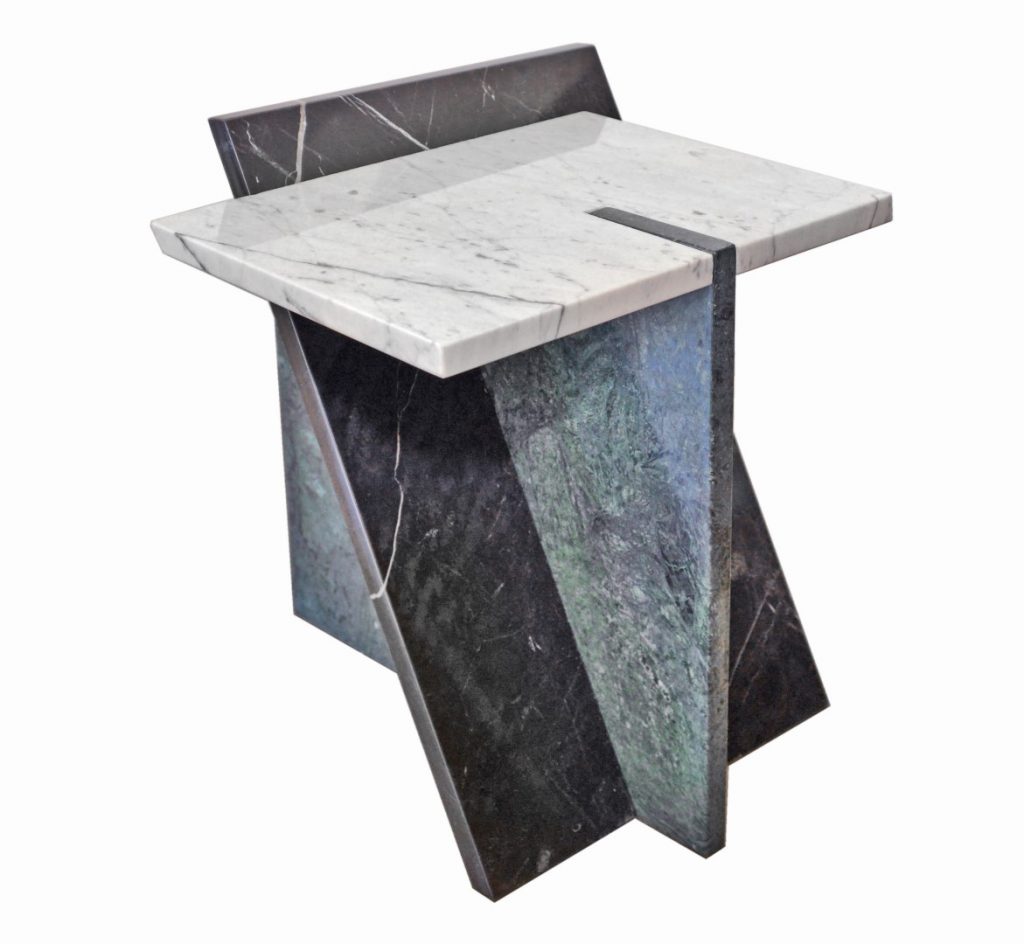
DG: Being both an architect and urban planner has enabled me to focus on integrating the same amount of sensitivity into all of my architectural, interior, and product designs when it comes to scale, identity, texture, and material. The two identities constantly make me question what the story behind the design is. Within KONSTANTIN, each collection interprets one characteristic inherited from natural stone. First, we read the marble in terms of where and how it was used based on its past heritage, and then re-interpret that as contemporary heritage.
We have come to encounter your designs, or rather “works” more and more in exhibitions and art galleries as opposed to department stores. Is this a conscious choice? Would you share your roadmap as a designer with us?
DG: You asked a good question, thank you. I’m an architect who is independent of scale. I like to ponder over identity and material. This may apply to a structure, an interior, or even a single product. If they meet all of the necessary conditions, then to me, every one of them is a “work” in their own right. Whenever someone approaches and asks me to showcase my designs or work, then I feel quite free so long as the context is strong. Even through we interpret the material from an architectural point of view, we nevertheless strive to produce everyday objects. More recently, this has been more so placed under the category of “collectable design.” With that, people are also talking about collectable design products as well. Many of our products fall under this second category. Hence, many an art and design-focused gallery and organization invite us because of our product design vision. Of course, this indicates to us that our little dream as a brand is going down the right path.
What do you think collectable design is? What is its aim, both for the creator as well as for the buyer? What is its contribution to the future of the design world?
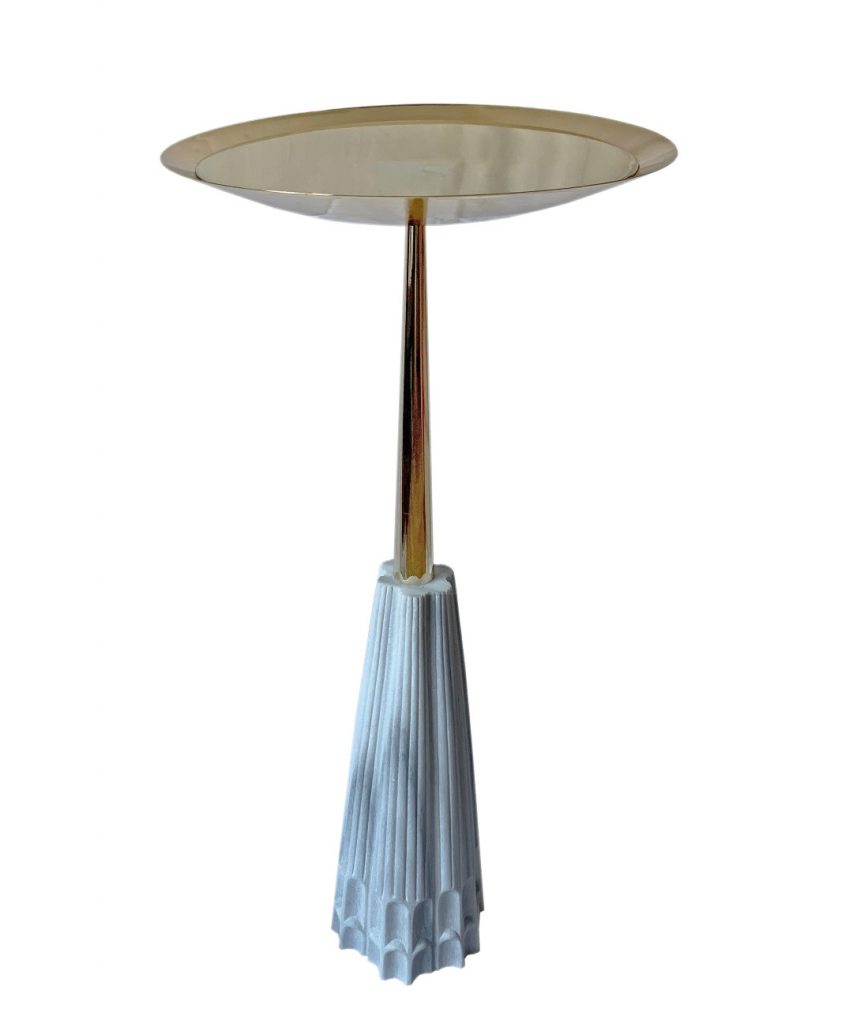
DG: It’s a new area of design that, personally speaking, really excites me. We might classify such products as being usable designs that make a statement. It opens up a space for contemporary designers to be more bold and experimental. Given that such products are created in limited quantities or as single items, and with either bold materials or techniques, and given that they carry the designer’s own unique signature, collectors simply love them. It is important for us remember that each piece comes with its own unique story and line, and is created to be used. This thus transforms them into everyday objects, and with all that much more appeal. The first item that we had produced for this collection was our “Aya” coffee table, and which was exhibited at the London Design Fair. The dome alongside both the marble and intricate bronze work that define interior of the Hagia Sophia inspired it. This interpretation really appealed to collectors and curators alike. What distinguishes this coffee table from other works of art is that you can actually place you coffee cup down on it.
Another work that you collaborated with artist Günseli Kato on was also showcased at London Design Week. Will we perhaps see more collaboration projects down the line? What motivates you when you collaborate?
DG: Yes, definitely! Günşeli Kato is a very special artist who has succeeded in bringing a contemporary interpretation to miniature art, and thus has taken it to a whole new level. Her approach is that there is a lot that one can learn from ancient knowledge, and that’s inspiring! Our biggest motivation perhaps in this collaboration was the notion of doing a reading of heritage. That said, we absolutely will continue to collaborate with other artists. We’ve even begun working on a new collection…