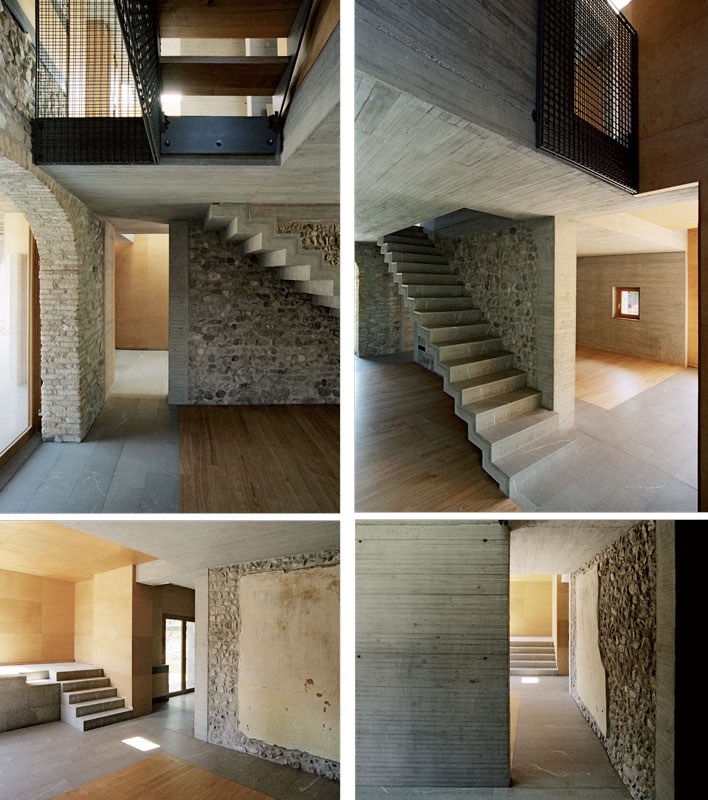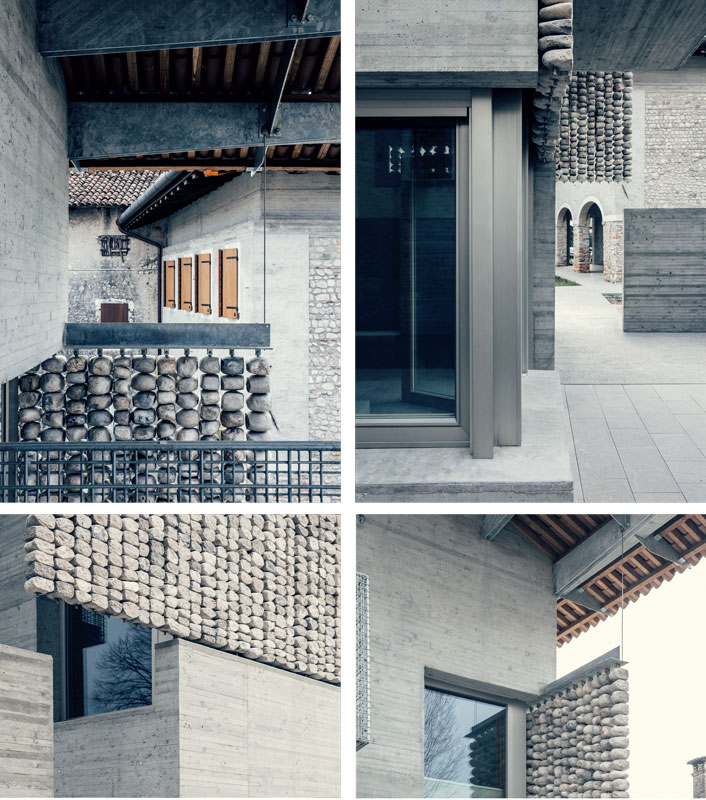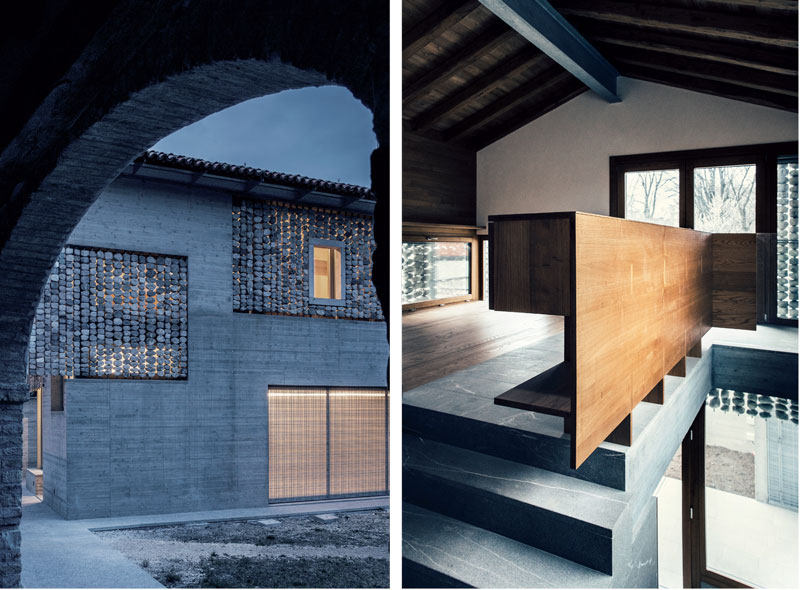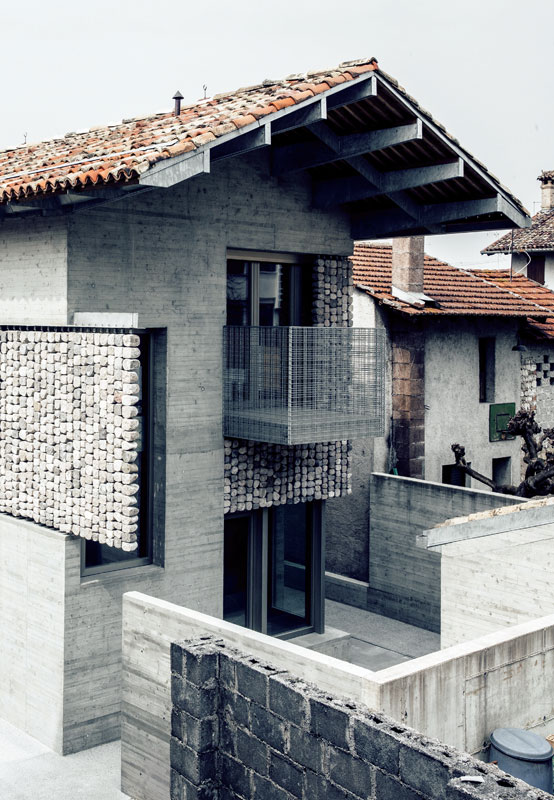

concrete emerge in different shapes from the exterior of the building. Somewhere they protrude through the original walls, elsewhere they remain within the perimeters of stone walls or occupy the portico. The reconstruction of the house 2 had to comply with the building code, which is applied for all the interventions in the historic centers, enabling the use of stones in traditional shapes and forms in order to prevent the loss of identity of small-scale rural areas. While the shape of the house is defined by reinforced concrete slabs, the traditional stone is reinterpreted in a “cosmetic” use, thus overthrowing the hierarchy of the main building. Both houses have a concrete structure – reinforcing the old stone walls – which respond to the needs of a highly risky seismic area. The buildings are defined by a highly insulating envelope and low-energyconsumption systems (heat pumps). The insulating layer is situated at the inner face and finished with drywall or wood panels that alternate with the cold appearance of the concrete and stone walls. The large openings facing south and west in house 2, provide shade through “curtain stones”, which create special lighting effects when the sun goes down… CREDITS
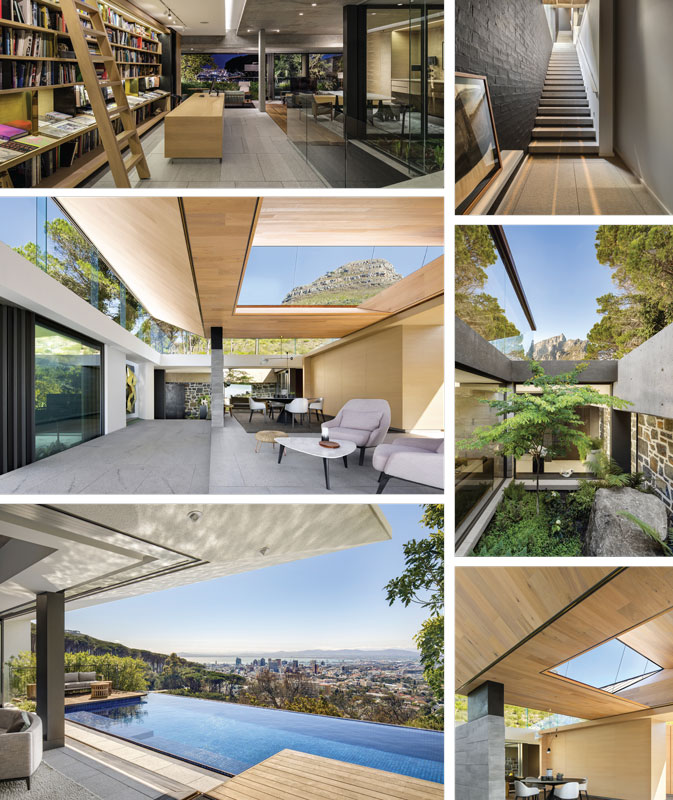
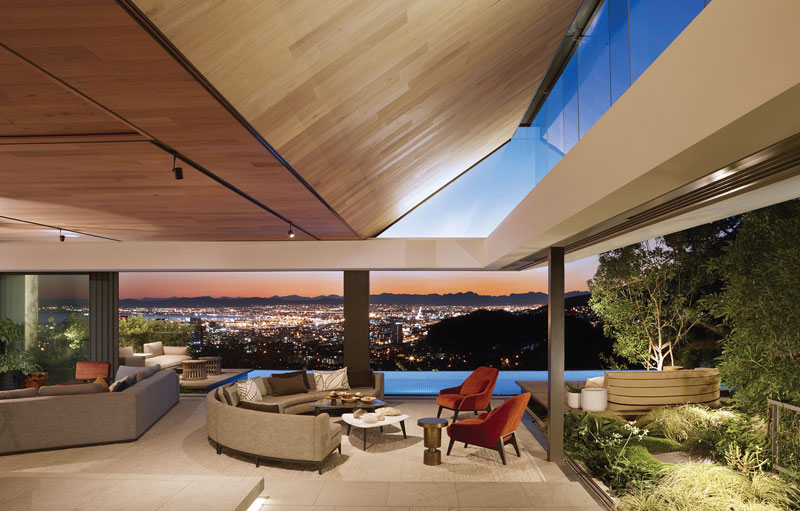
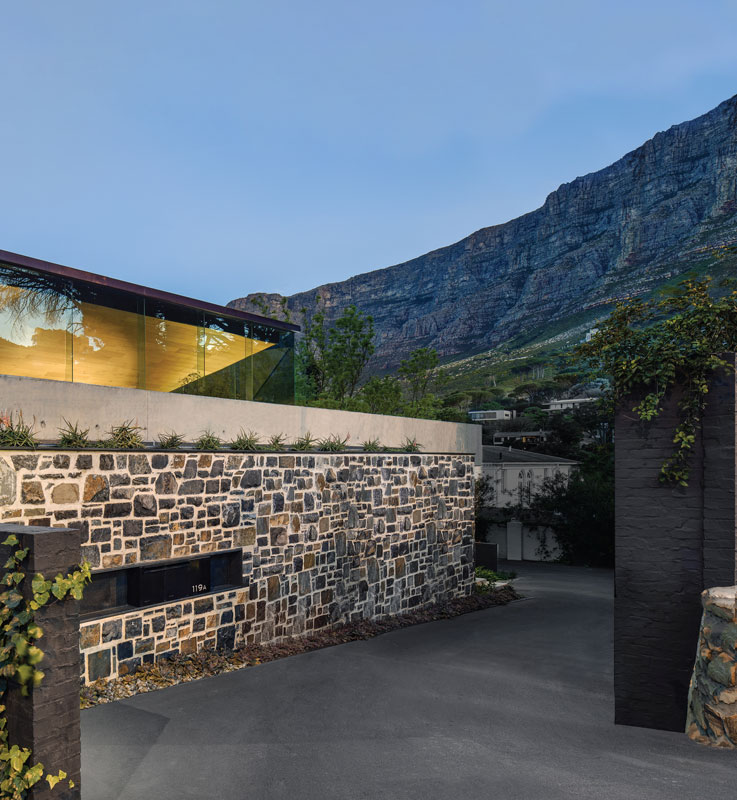
Site Area: 2,216 sqm Dwelling Area: 420 sqm (300 + 120) Architect: ELASTICOSPA + 3 Collaborators: Valeria Brero, Corrado Curti, Daniele Almondo, Marco Burigana, Andrea Rosada and Serena Nano Structural Project: Antonio Colonnello Factory Constultant: Proj-system Prime Contractor: Bedin e Arrigò Photographs: Mattia Balsamini (House 1) and Elisabetta Crovato (House 2) In the historical centre of San Quirino, various interventions from recovery to demolition and reconstruction, investigated the role of materials in the renovation of the historic urban core of small Italian towns. Considered as a highly risky seismic area, the region called for tackling the fragility of materials so as to reinterpret the use of traditional stone walls. The main building of the complex (house 1), has been restructured in order to create a single family residence, while preserving some qualities having architectural importance such as an arched portico and a main facade where the robust nature of materials was combined with the harmonious distribution of openings. The other structure (house 2) has been transformed into a coach-house that emanated from the demolition and reconstruction of barn, whose structure was in a critical condition. When considered from an extensive viewpoint, the project has been re-invented with a dose of irony employed for the building materials, playing with the building tradition and altering the role of materials and the previously-established hierarchies. The original structure of house 1 was tackled as a shell that creates a new living organism, which was obtained by sliding box-shaped volumes at different levels so as to create complex spaces. These boxes of reinforced Designed by SAOTA, this family house has a special location and a beautiful view; the implemented architecture was shaped in a way that takes in the surroundings as much as possible. The most exquisite feature of the house is the inverted pyramid roof, which creates an elevated window around the upper floor and allows the building to open up to the dominant view. This roof also strengthened the connection to nature and its cycles by opening up to views of the sky. Built in a traditional Cape way, the house presents a stone wall, while revealing very little about its interior space. At night, the inverted pyramid roof creates a giant lightbox. The interiors can accessed through a large metal front door, which opens to a small entrance lobby connected to the courtyard garden. From this restrained quite area, a few steps take you to the living space, which presents cinematic views of the city. Having a three-story layout, the house’s top floor embodies most of the living spaces (the open-plan kitchen, dining room and lounge) that have the strongest views. While the family’s work and bedroom spaces are positioned on the midlevel, the lower level holds the garage, gym, cinema and guest room. Each floor has its own garden or courtyard; these gardens extend from the mountain surface towards the house while screening the neighboring buildings, and they deepen the connection with nature by allowing light and air into dark spaces. With the darkness, the mass of the building gets pushed into the background. The interiors hold much more muted colors, while the use of oak attributes warmth into the space… CREDITS
Project Location: Cape Town, South Africa Architecture Office: SAOTA Project Team: Greg Truen, Dov Goldring, Jaco Bruwer, Ian Cox and Puja Patel Structural Project: Moroff and Kühne Consulting Engineers Chief Quantity Surveyor: SBDS Quantity Surveyors Prime Contractor: Gossow & Harding Construction Pty (Ltd) Interior Design: OKHA Landscape Design: Franchesca Watson Garden Designer Photographs: Adam Letch and Micky Hoyle