

With its unique set of rules of forms, design feeds many different disciplines and manages to make its way into just about every facet of life. Architecture, design, and fashion… Even though all three disciplines serve different functions and scales, at their very essence, they all bear products that share similar principals. This similarity is perhaps what leads those who have left their golden signature on the design sector see stepping out of their comfort zones in favor of discovering other disciplines and materials as a pivotal experience. Hence, we have compiled for your series of natural stone products created by star architects, stylists, and designers who have dared to push their own
boundaries.
Zaha Hadid Architects
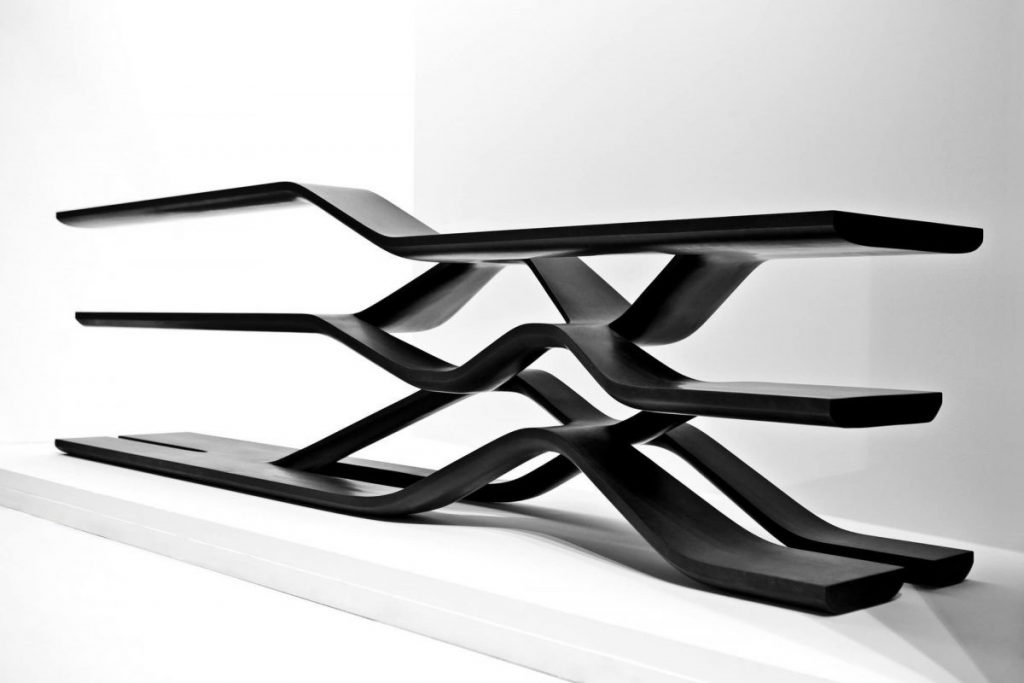
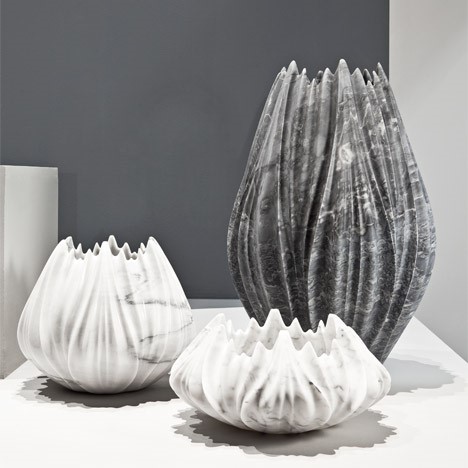
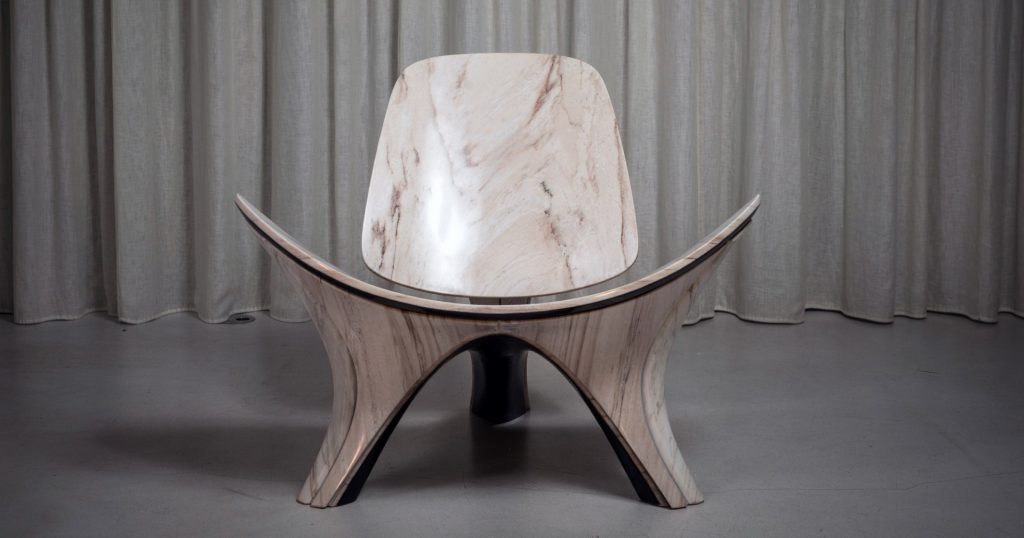
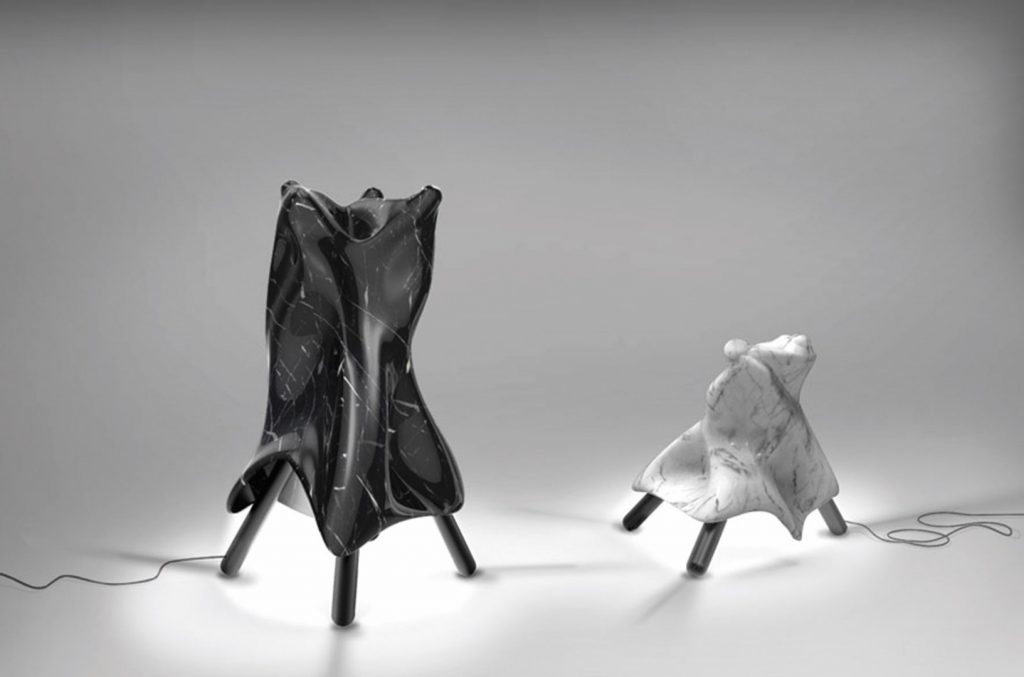
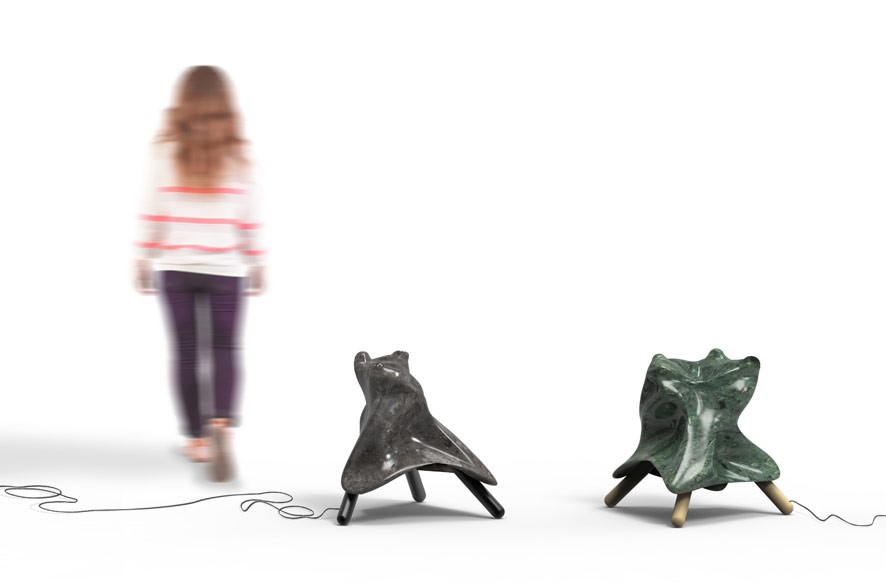
World-renown architecture office Zaha Hadid Architects (ZHA) designed an avant-garde three-legged chair using carbon fiber reinforced marble. ZHA collaborated with engineering firm AKT II to develop “Lapella”. The project team looked at furniture design from both an architectural and engineering perspective, using the compressibility of natural stone, and the flexibility properties of carbon fiber. At the same time, they tried to preserve the form and scale of the classic chair all the while embracing modern engineering techniques and materials in their design. The ZHA design team oriented Lapella in line with their goal of experimenting with different geometries in order to both improve how they use light-weight materials as well as to improve the chair’s structural performance. Modern technology and algorithmic extensions were applied natural stone masonry techniques (normally used to construct the walls of historical buildings) in order to create the design. That said, the design team saw the scale of the furniture as an important testing ground…both in terms of materials to be used in large-scale architectural projects as well as in terms of manufacturing technology. Other well-known design by Zaha Hadid Architects include a vase designed for a natural stone firm, wall unites, tiles, and coffee tables. Each design reflects Zaha Hadid’s general love of organic forms and create a sense of fluidity similar to ripples-say on a piece of cloth or the surface of water-in the design through various cavities in the material. The design team chose a mainly black and white colour palate when selecting which stone to use for the furniture.
Karl Lagerfeld
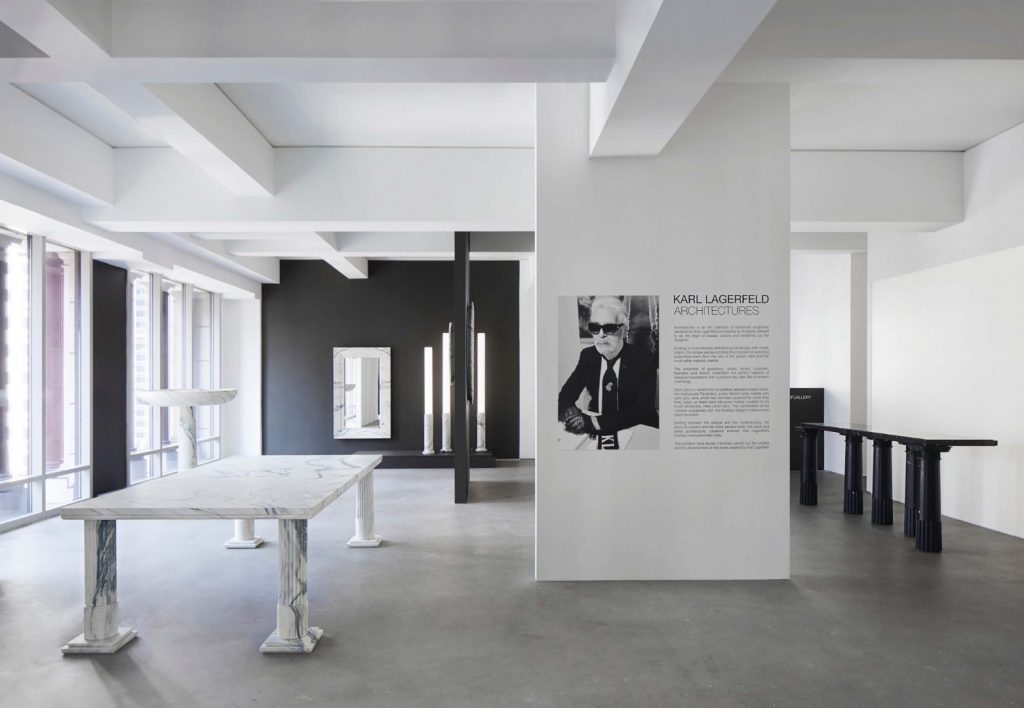
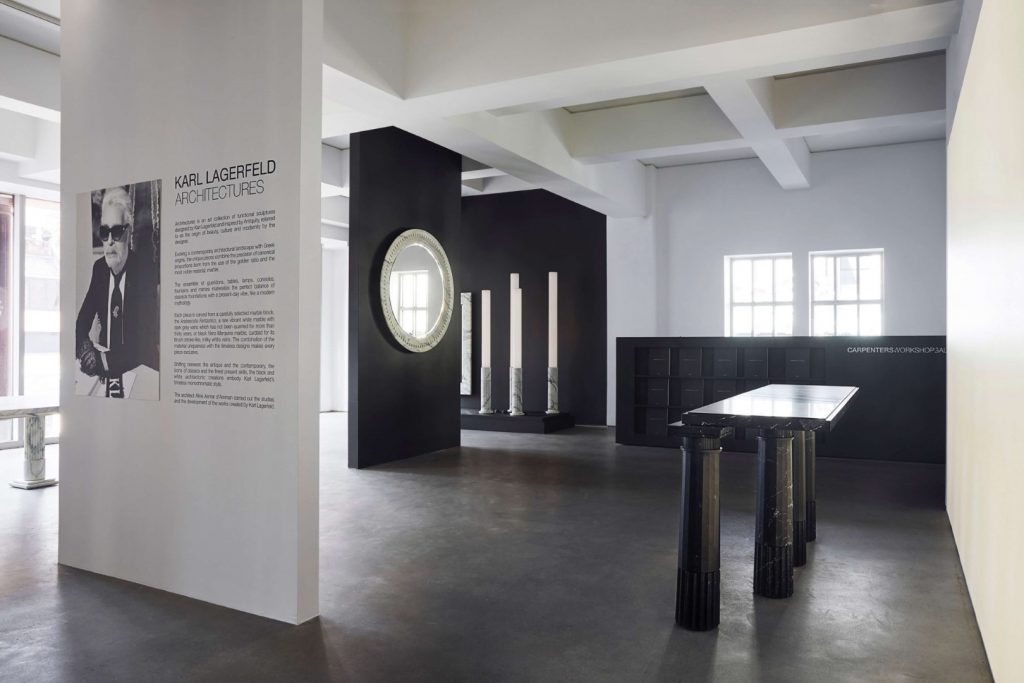
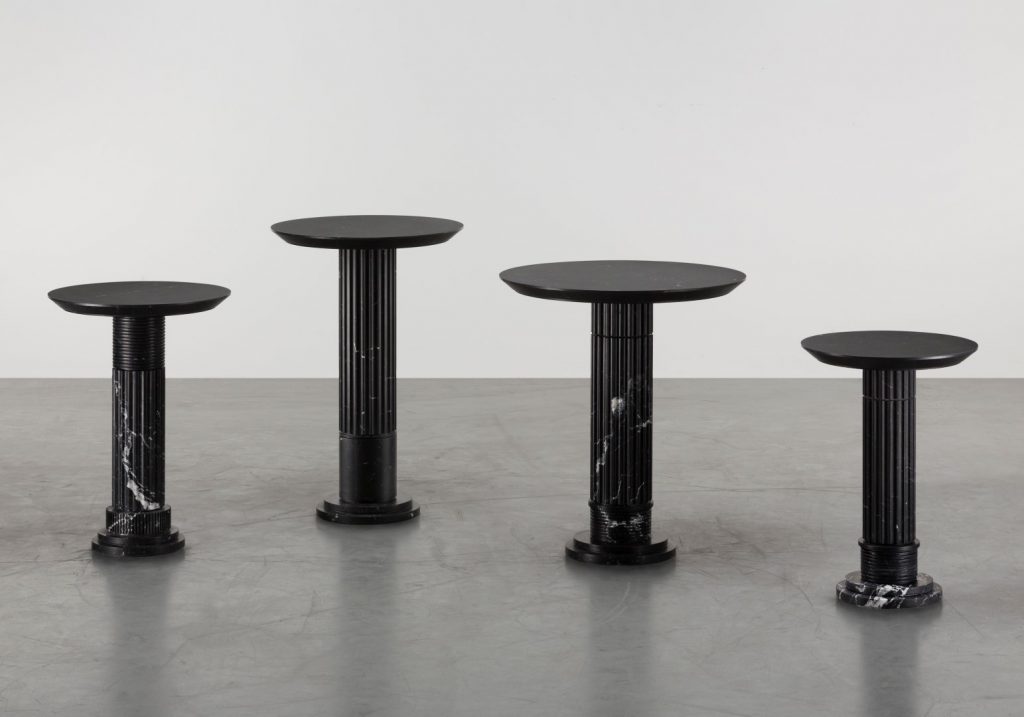
Karl Lagerfeld, who was known as one of the 20th century’s leading fashion designers, designed a natural stone furniture collection titled “Architectures.” Exhibited at the Carpenters Workshop Gallery this past year, it contains a series of functional sculptures that draw upon antiquity all the while symbolising beauty, culture, and modernity. While ancient Greek architecture nourished the collection, it also carries contemporary lines. Each piece of marble sculptural furniture re-interprets the golden ratio. It includes tables, lighting, frames, coffee tables, fountains, and sculptures, and reflects the basic elements of classical architecture in a rather balanced way by taking a modern approach to mythology. Each product was masterfully created using rare types of marble. Black and white tones reflect Lagerfeld’s timeless, monochromatic style while blurring the lines between art, design, architecture, and fashion.
Norman Foster + Partners
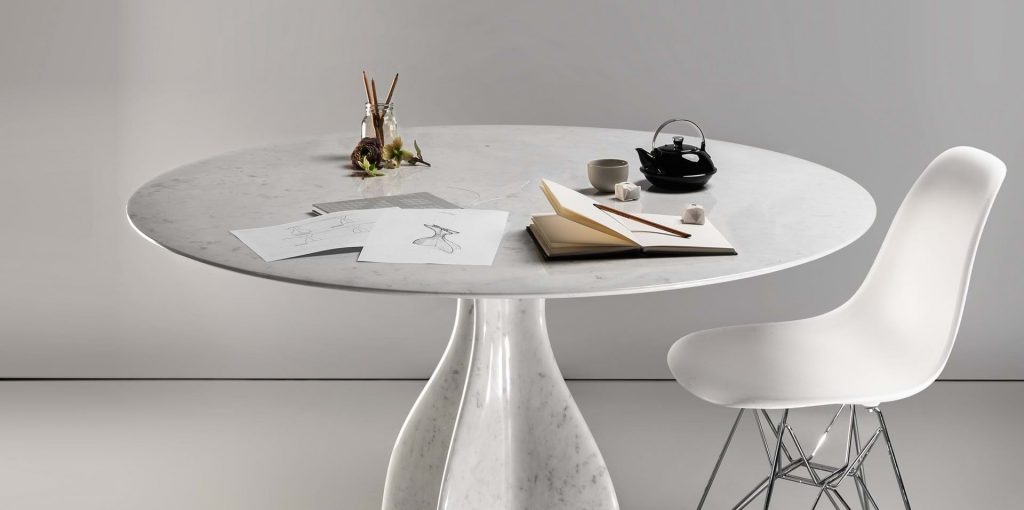
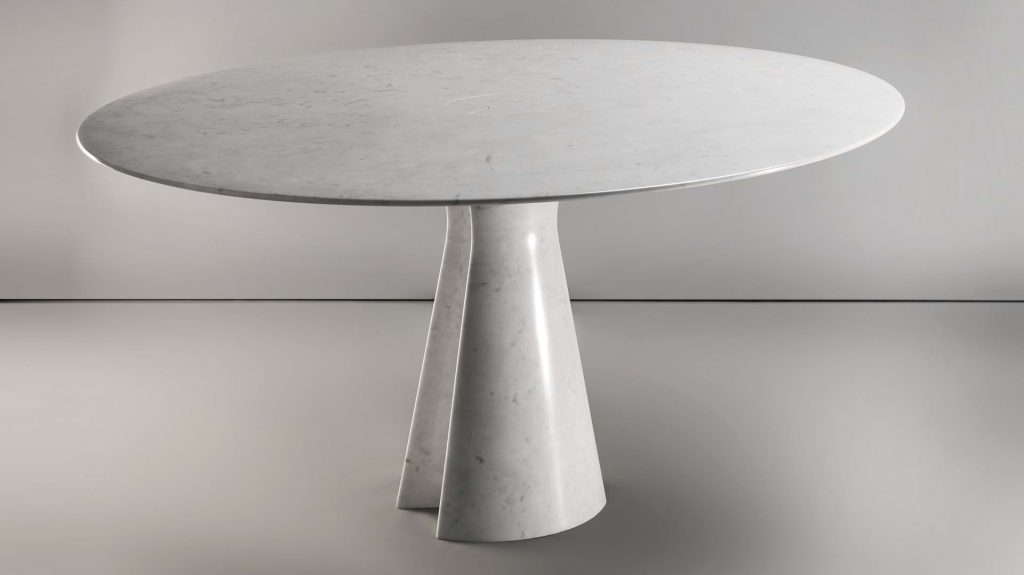
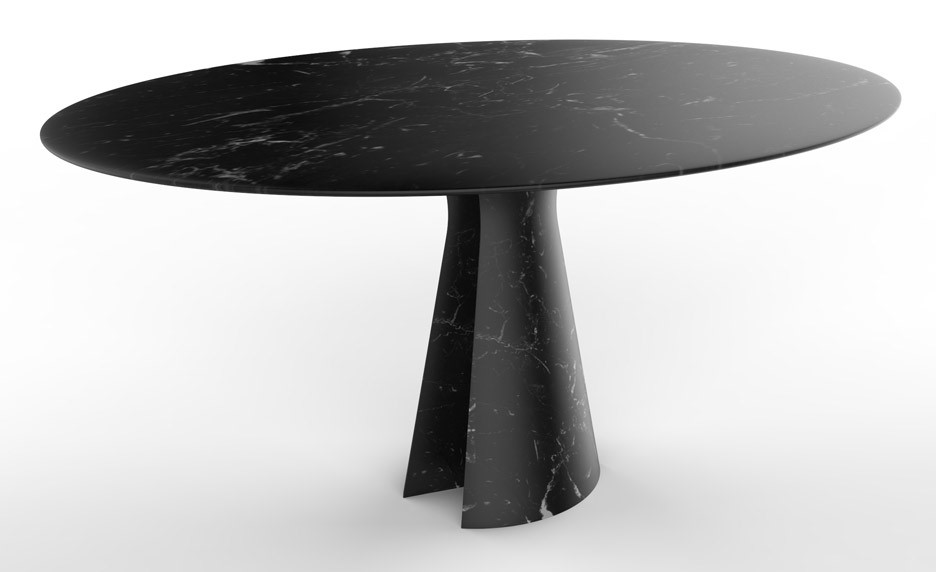
Inspired by the sense of permanence and continuity that natural stone imposes both in architecture and sculpture, Norman Foster designed a series of stone tables that symbolise feminine and masculine forms. He produced the collection for a natural stone firm, citing that they were first of many pieces for a much larger future collection. His two tables, “Hadriana” and “Hadrian”, are made up of two basic elements: a polished top plate formed using single slab of marble, and two mismatching feet beneath. “Hadriana” symbolizes the female form and has an expandable at its narrow waist and bell. “Hadrian,” in contrast, symbolizes the male form, and consists of a rectangular cylinder that is compressed inwards. In both designs, a base profile stemming up from the central groove to the top plate link the top and the bottom sections to one another. Not only are both the upper and bottom halves visually appealing, they have a slightly curved profile that gives a sense of softness as well ergonomics. These curves allowed the design to be conceptualized as a modular system capable of bridging the surface of each table (to one another).
Daniel Libeskind
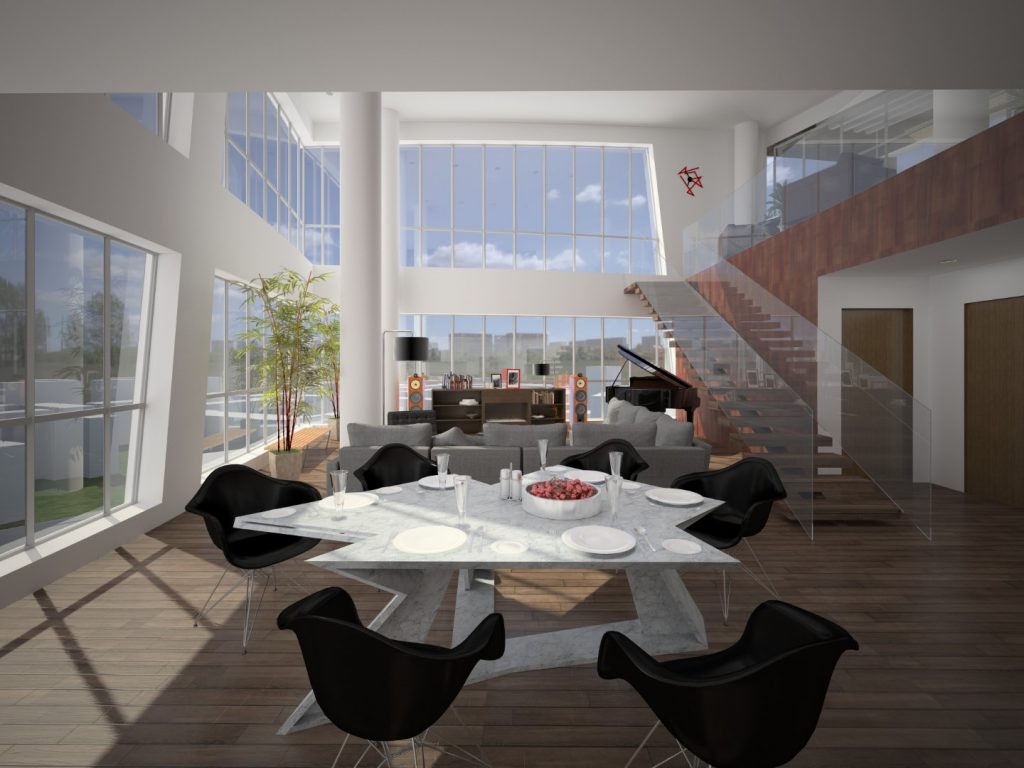
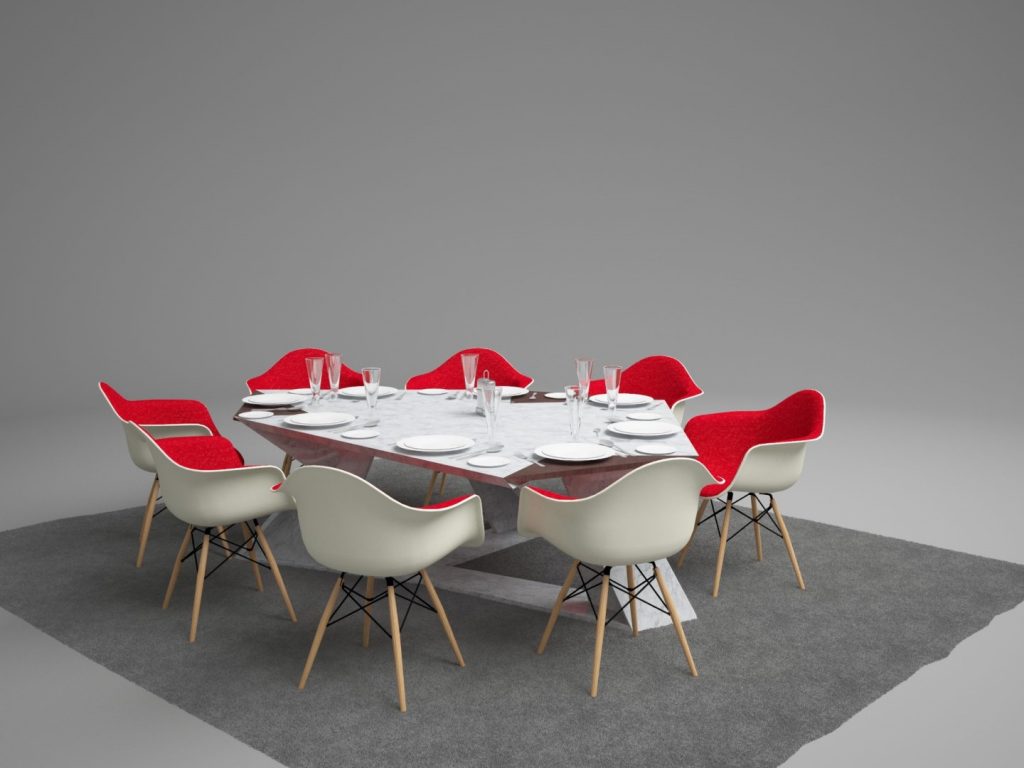
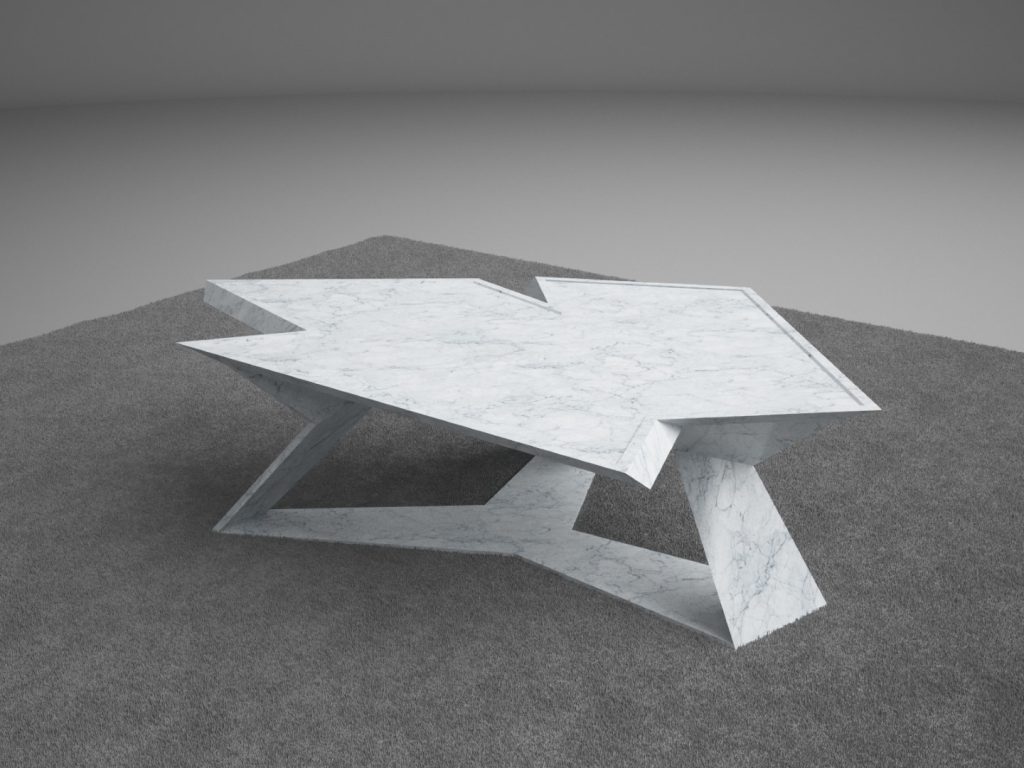
Renowned architect Daniel Libeskind is known for both his sense of discovery and his experimental side via his use of dynamic forms. His furniture designs also play on his complex understanding of geometric form. A side table, “Endless”, plays with proportion, space, and perspective by calling classical side table design into question. The method of cutting the marble (chosen specifically for the curved design) re-interprets how classical marble is supposed to look. Another of the architect’s more well known furniture designs is a multi-angle, “kaleidoscope” inspired sculptural table. Referred to as “El Lupo” table, it translates Renaissance architecture into modern language. It can be used both as a coffee table as well as a wide dining table, and adds a sense of not only drama but also zest to any space. Liebskind’s “Enigma” shelf design was created using the latest in marble-cutting technology. Formed in a three-dimensional mould, nestled within are a series of shelves that follow an orbit.
Arik Levy
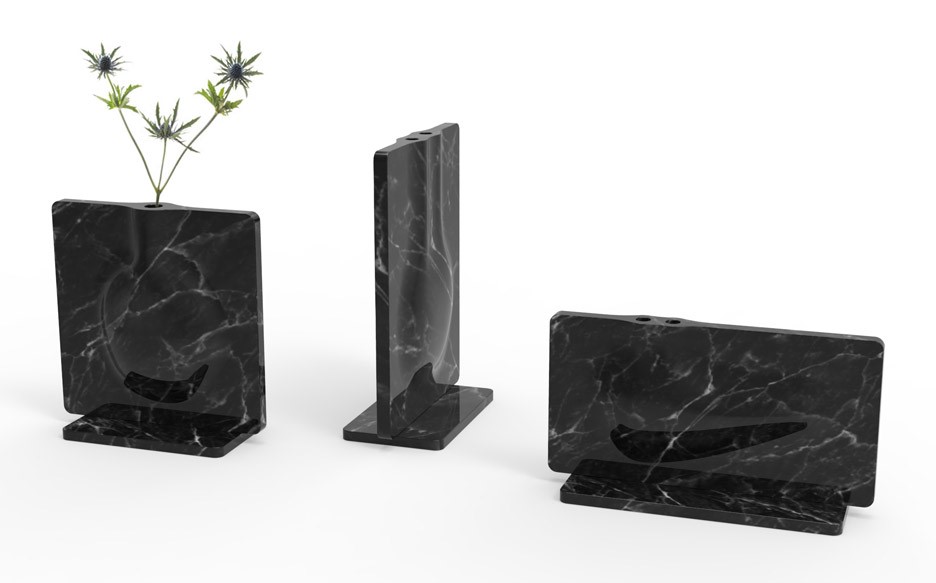
A designer who weaves natural stone into everything he does, Arik Levy uses marble in such a way that juxtaposes its hard, heavy stance. One of his more notable of pieces, “Splash,” transforms marble into a fluid substance. Here, Levy has succeeded in showing us just how dynamic, static, and flexible marble can be through how he interprets it. Inspired by how the ocean crashes against cliffs, this lighting unit is made up of a black marble base and four brass feet. Another eye-catching piece by Levy is his marble “OrganVase.” Designed with a delicacy and lightness that juxtaposes the marble’s hard and heavy stance, this vase consists of a curved, thin slab with holes drilled into it for flowers, and that sits atop rectangular bass.
David Chipperfield
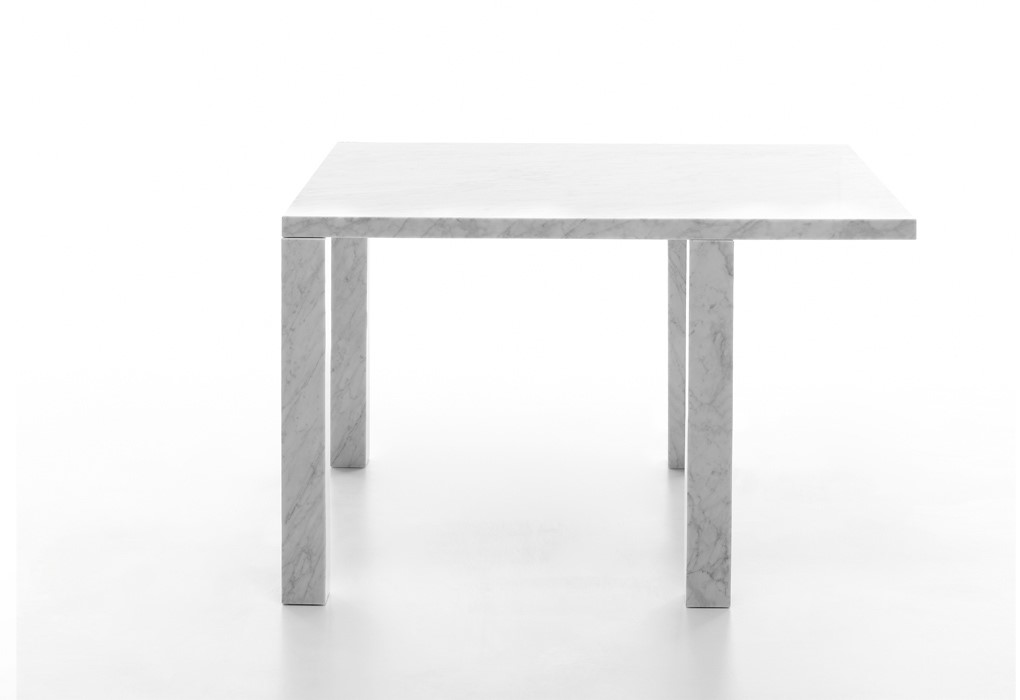
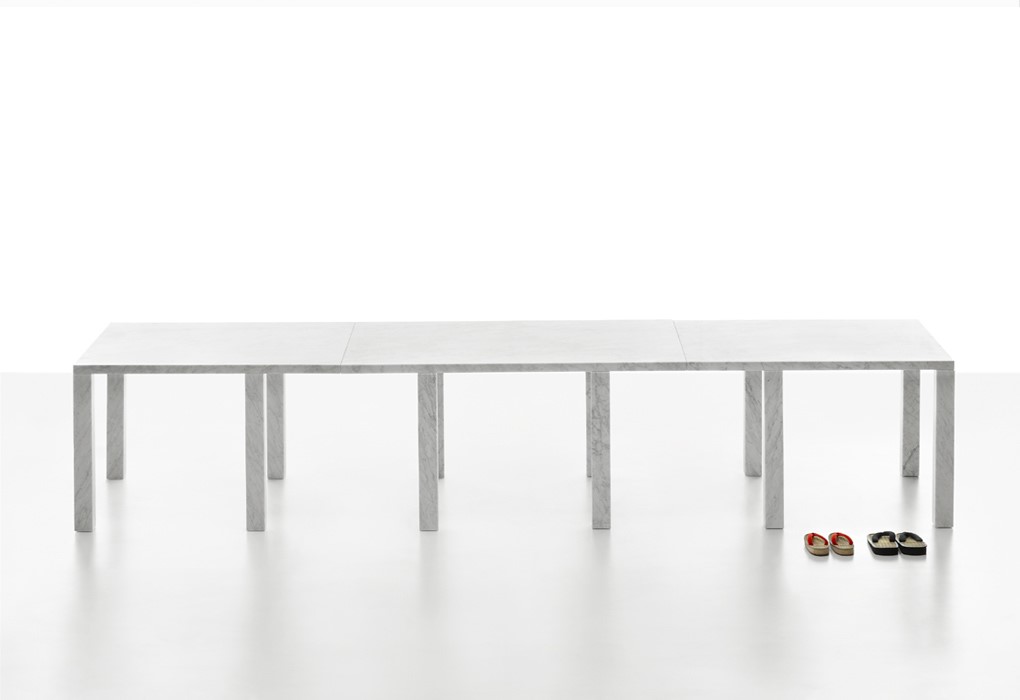
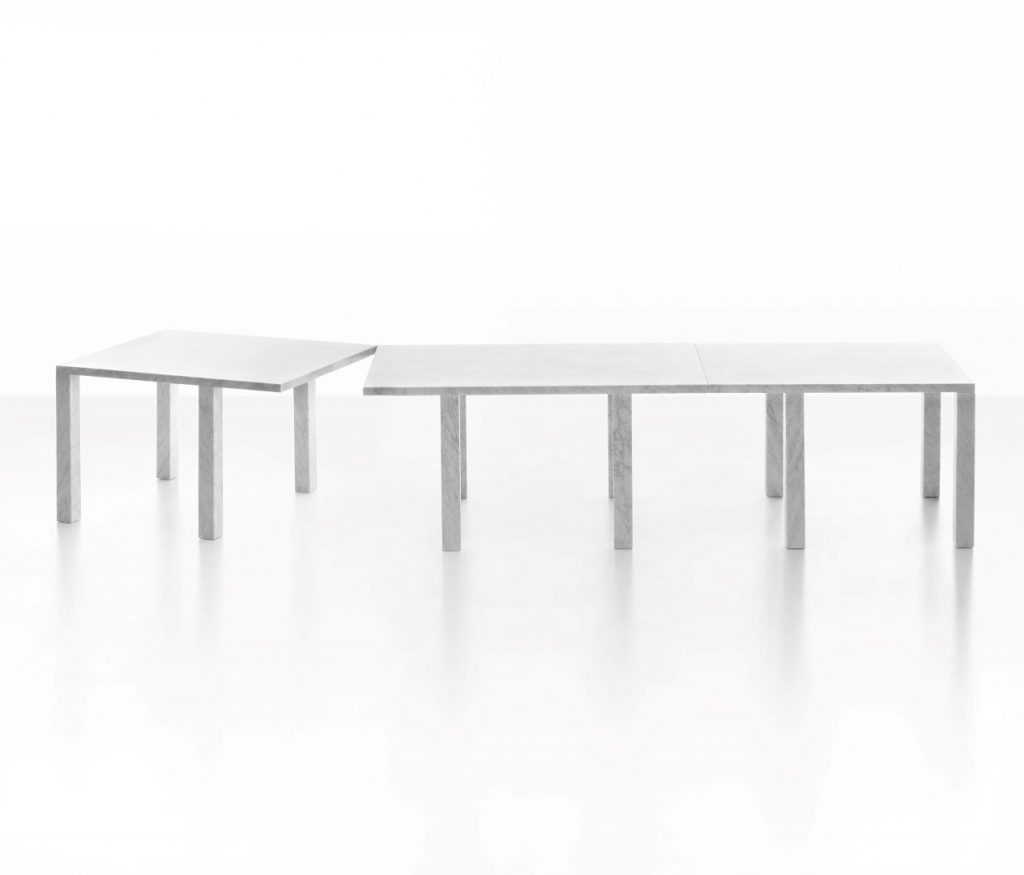
Britain’s own David Chipperfield is known not only for his architecture, but also for his many product designs. Generally designs furniture for his own buildings, the architect frequently uses marble. One of his most prominent designs is “Colonade,” a table made up of marble feet and a marble tablet placed at right angles. Its white colour instils very plain and calm appearance. The table itself comes in two variations that are manufactured to suit modular unification. Both variations appear as though they two pieces cut from a longer table.