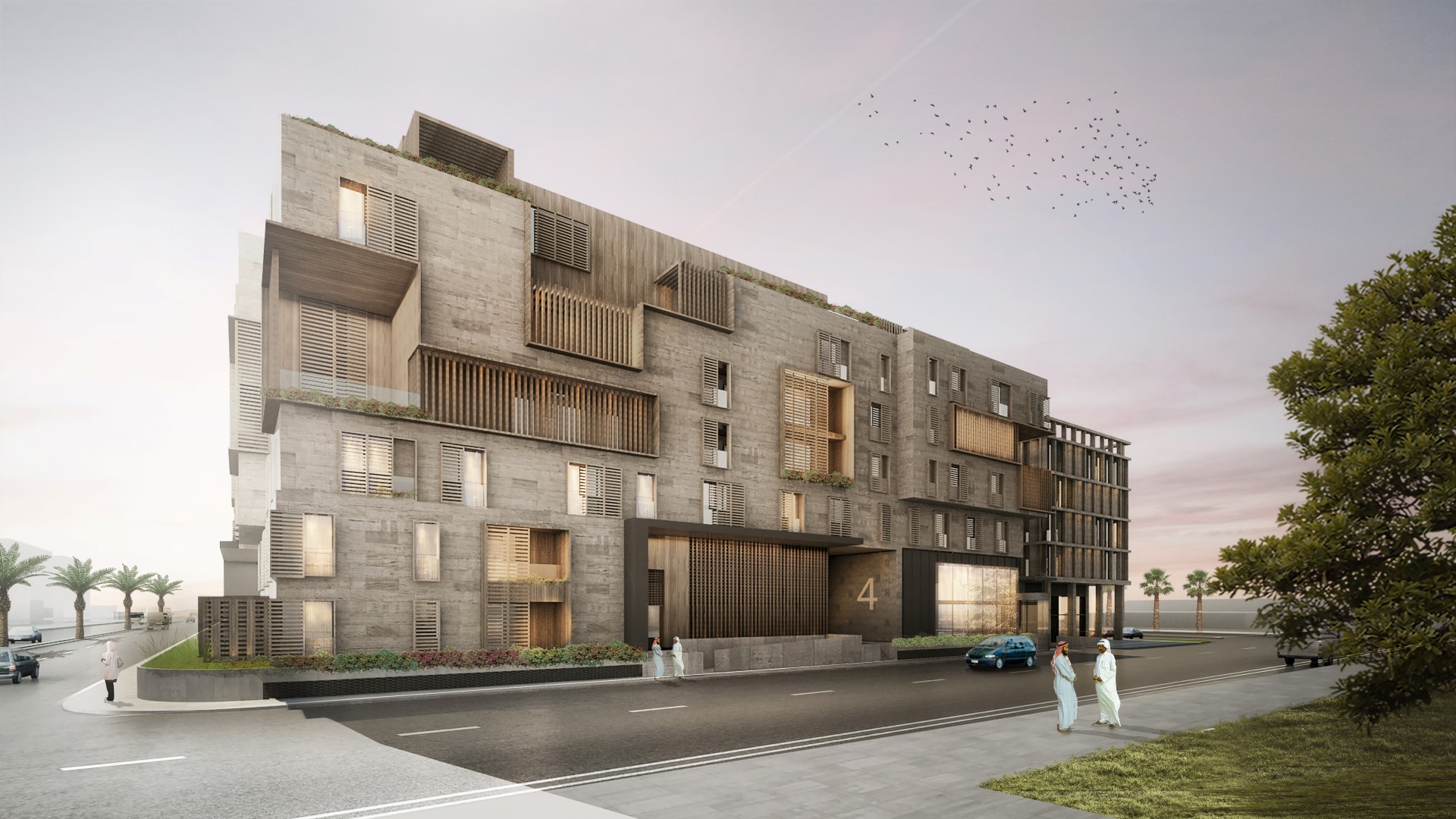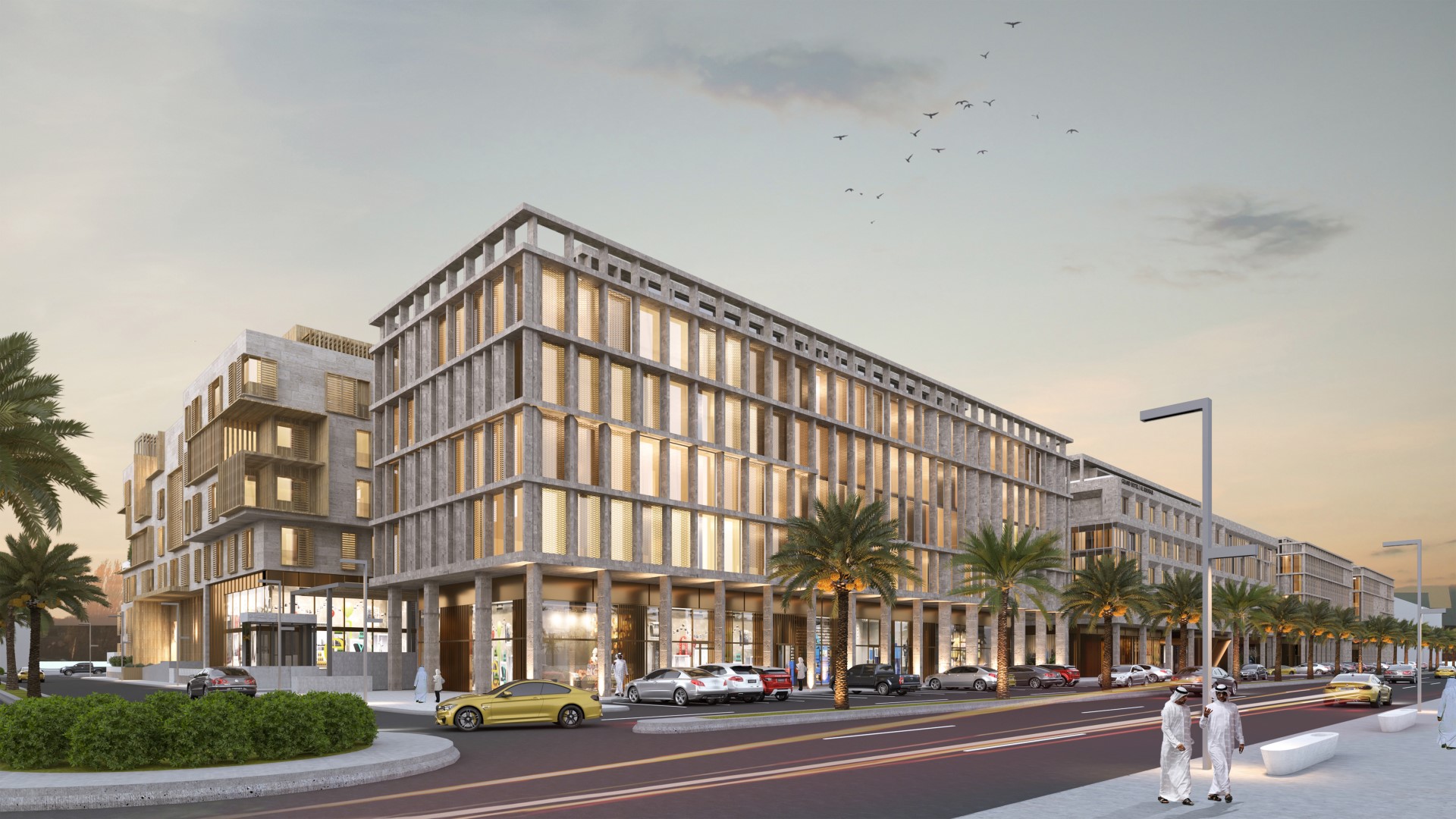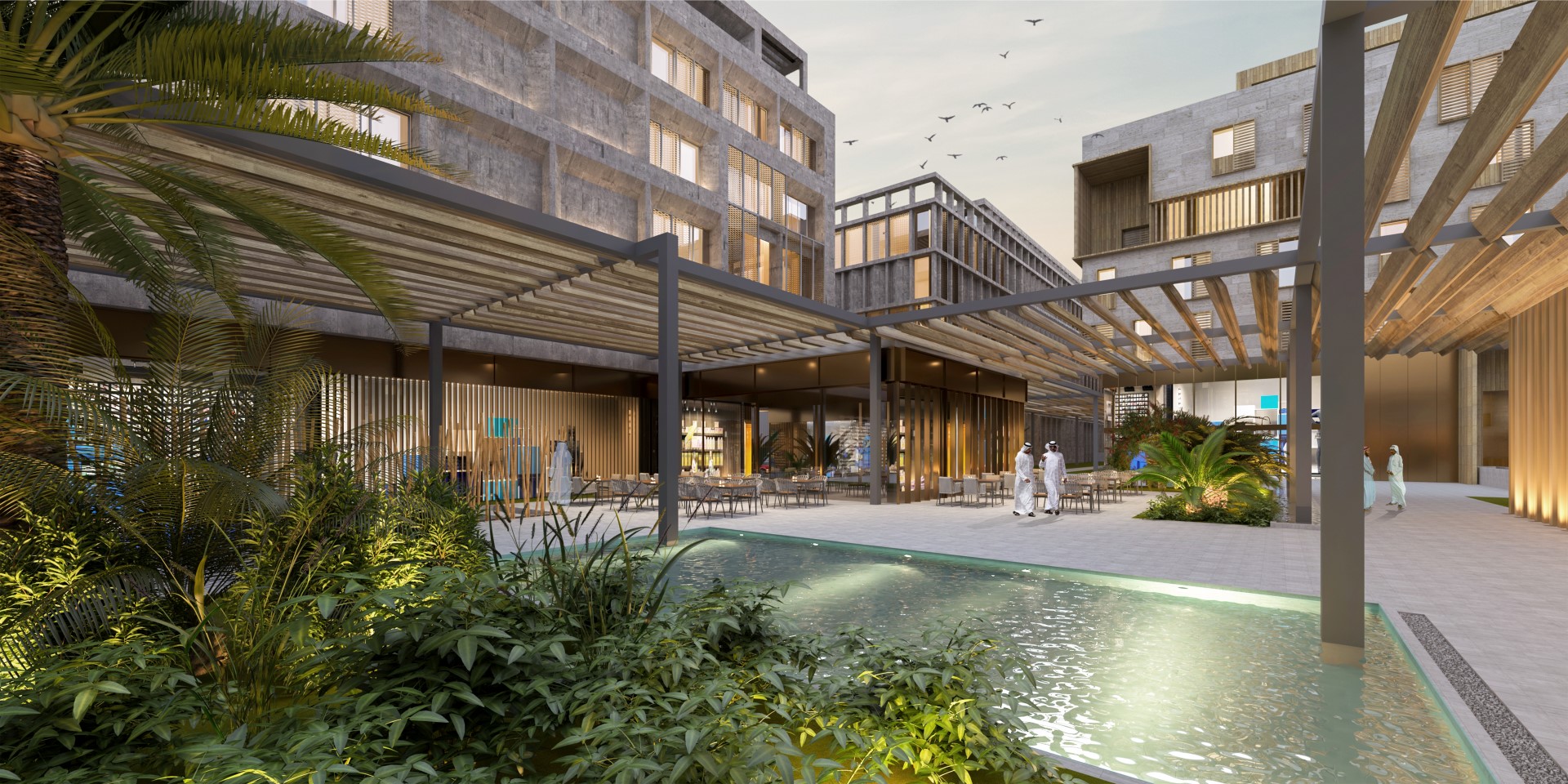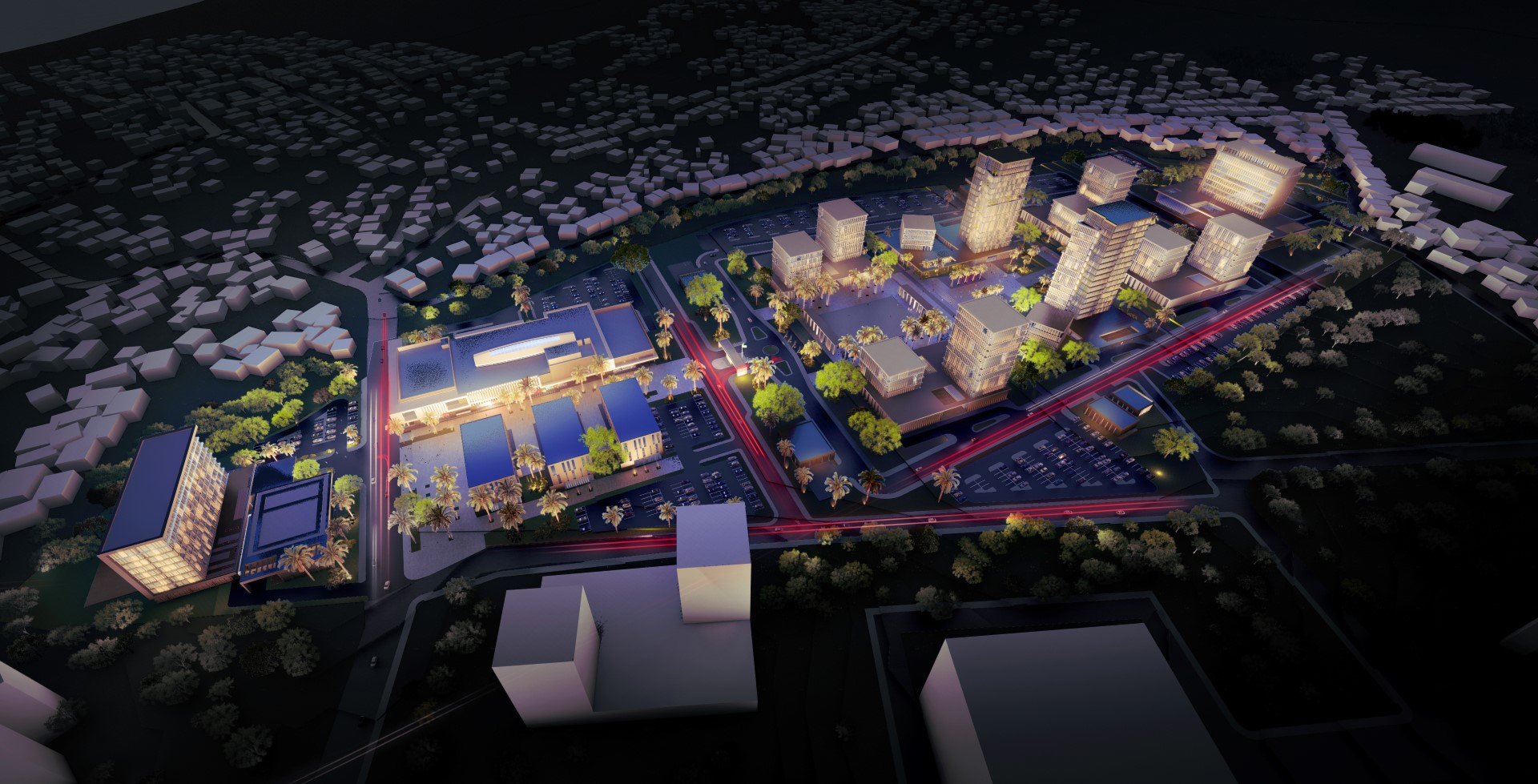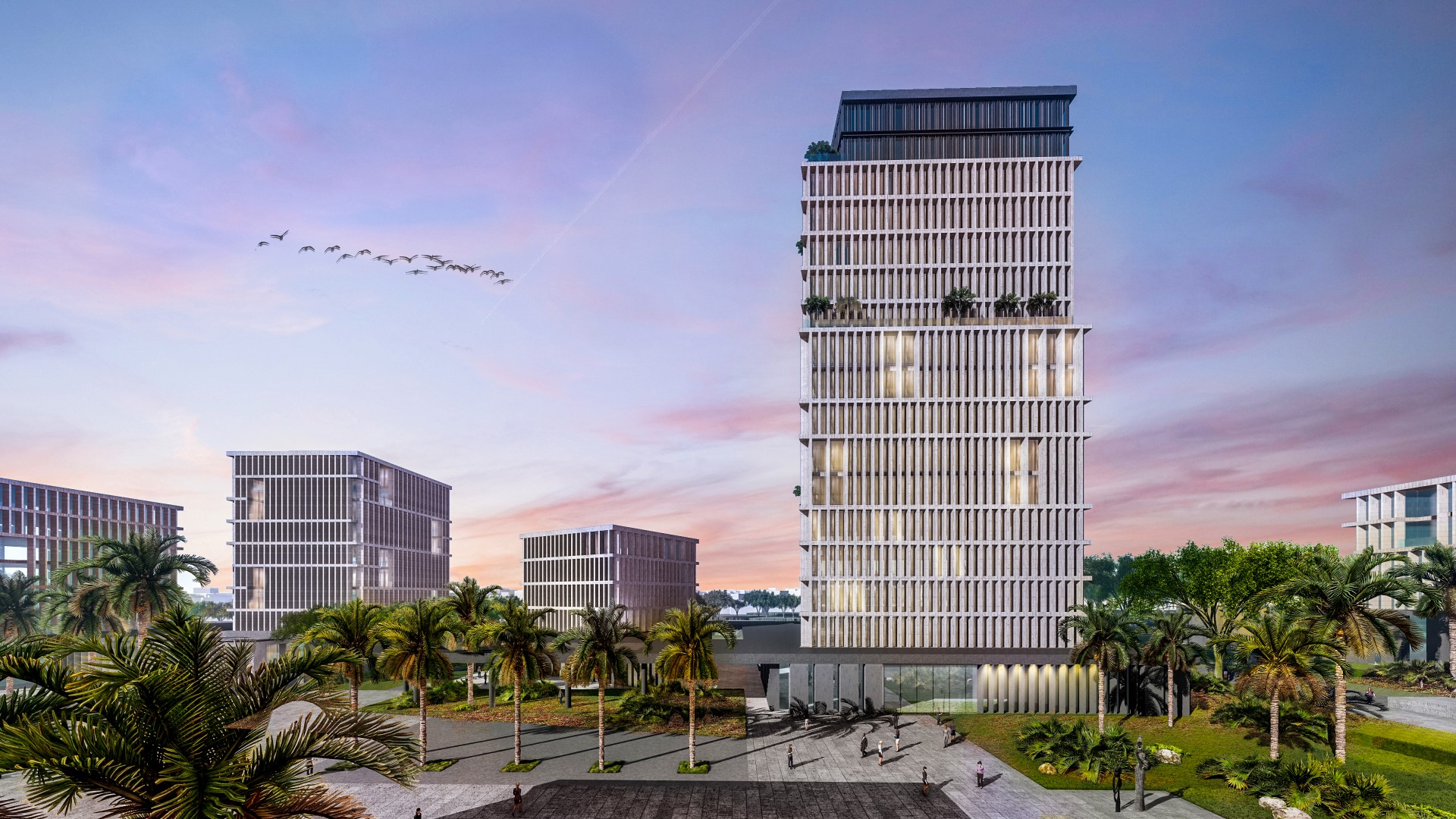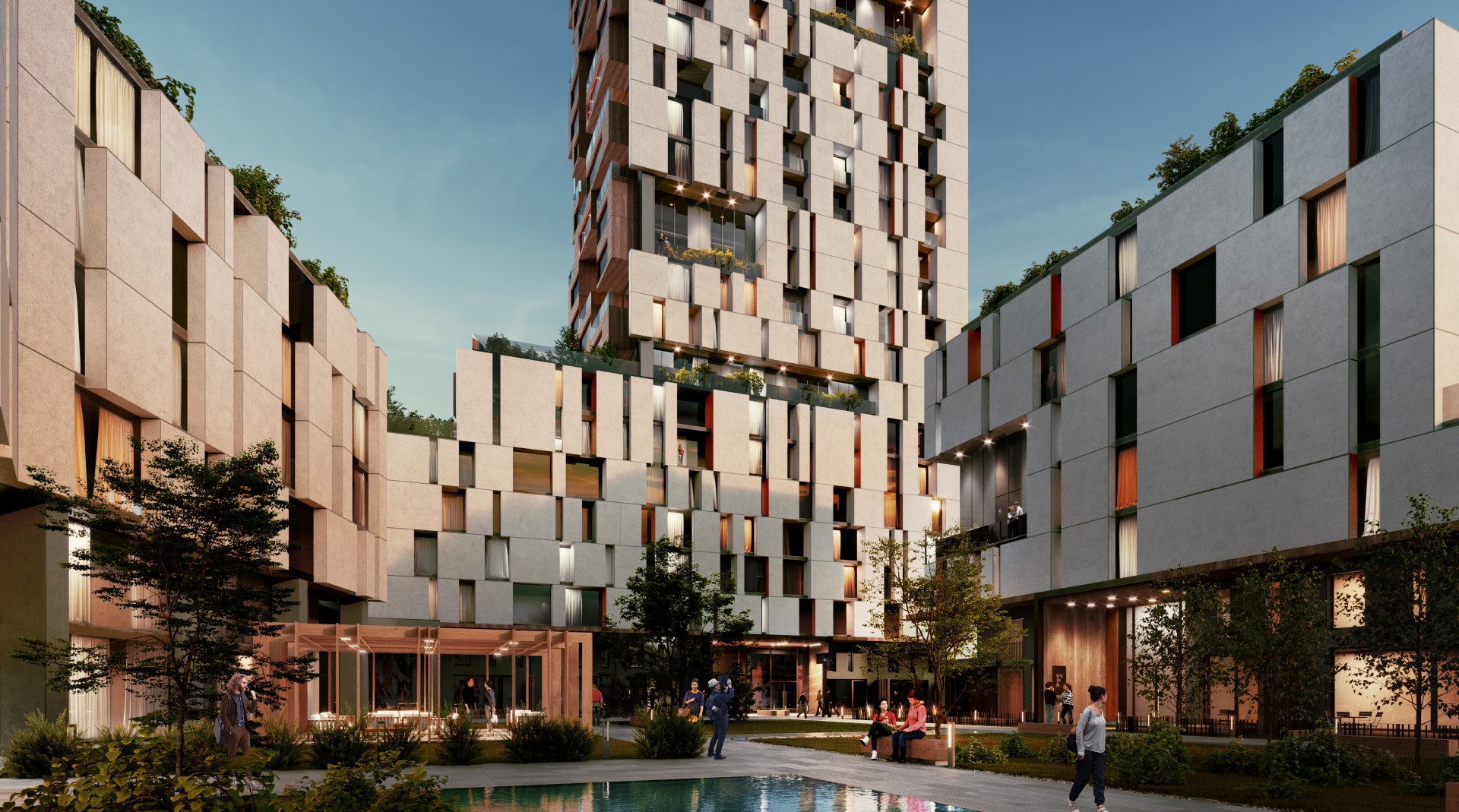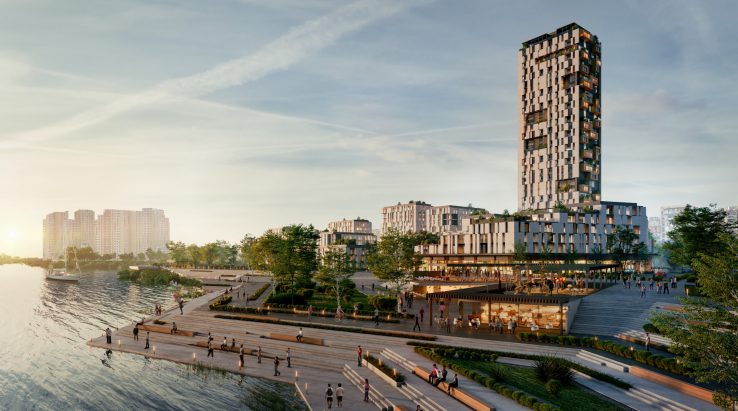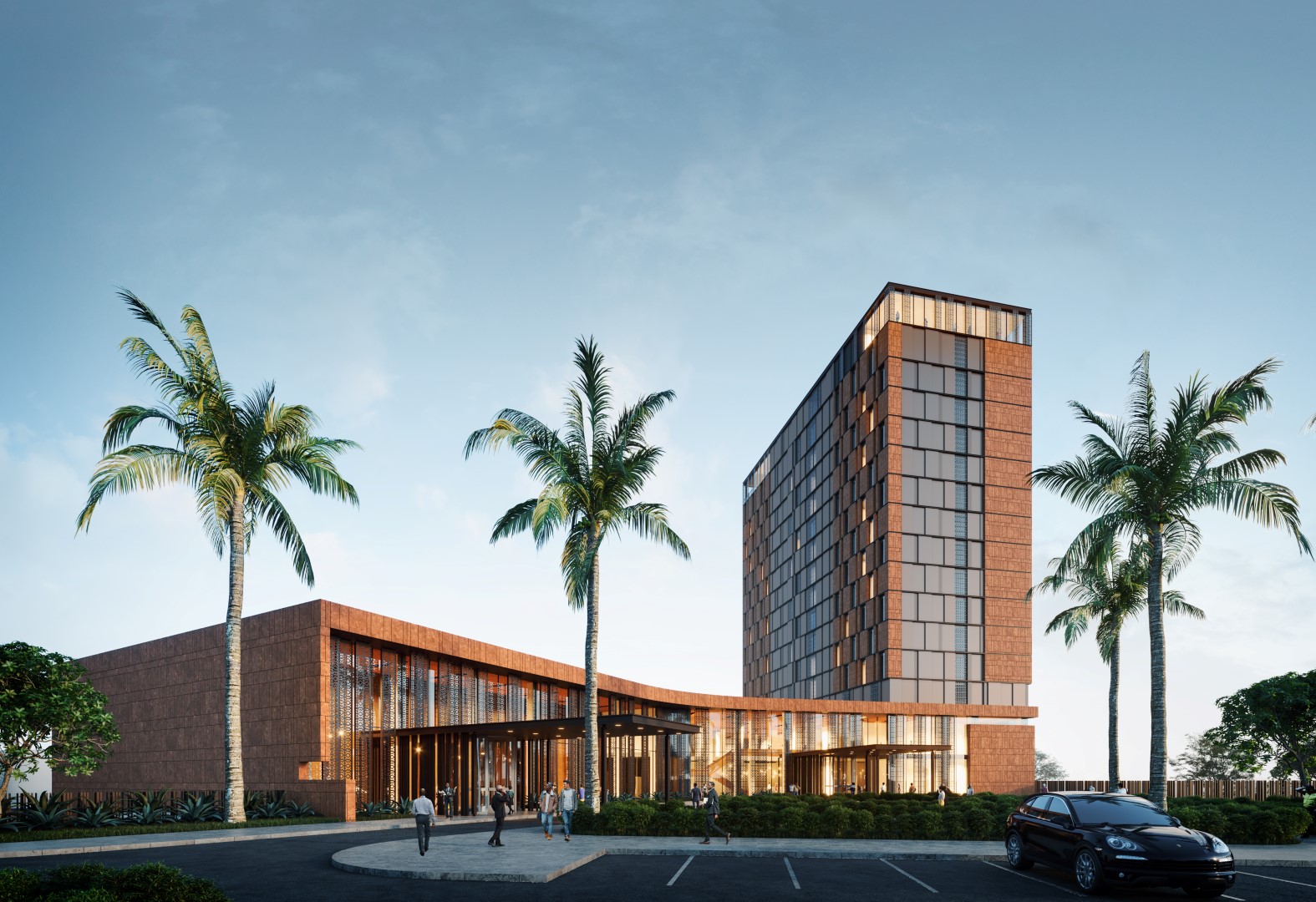
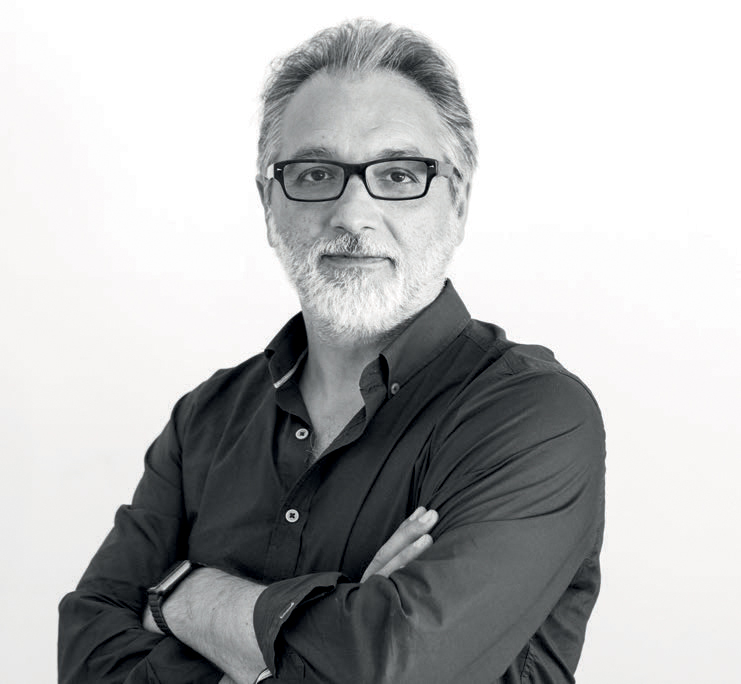
 A leader in Turkish sustainable architecture, Avcı Architects maintains offices in Istanbul, London, and Ljubljana, producing works that span Europe, Africa, and the Middle East. Their portfolio includes a breadth of mixed usage, education, urban design, hotel, office, and commercial projects of different scales-including, more recently, a number of architectural, alongside interior and urban design ventures in London, Dakar and Cotonou. Avcı Architects is the winner of a number of awards, including the Architizer A+ Awards Popular Choice Award for Al Kohbar Mixed Use, an urban planning project located along the Persian Gulf, alongside the Architecture, Construction & Design Award (office category) for the Turkish Contractors Association building in Ankara, as well as, together with Pelli Clarke Pelli Architects and Zaha Hadid Architects, is a finalist for “The Best Tall Building Category” for Balance Gunesli. We spoke with its co-founder Selçuk Avcı about his sustainable design philosophy, current projects, his goals for The Circle, an architecture, art, and design platform to which he is a founder, and the GEMSSYoung Architects Selection & Exhibition.
Would you care to tell us about yourself and Avcı Architects?
Selçuk Avcı: I graduated from Bath University, England in 1984. After working at Arup Associates for period, I decided to set up my own firm in 1988. I’d interned at Feilden Clegg Bradley Studio. Both
experiences had prepared me for the work world. Winning a number of competitions alongside a couple of early successes is what got us our name heard throughout the United Kingdom. I then set up Urbanista, an investment consulting service, with Markus Lehto. The impact of the economic crisis that struck Europe in 2008 had simultaneously frozen our European projects that year. It was at that point that we opted to shrink down the scale of our Londonbased office, and focus more on working in Turkey, which was far less impacted. We began to juggle ourselves between Istanbul and London, working on our projects in the former, whilst tacking our reality and investment ventures in the latter. You could say that Avcı Architects took its current shape from dipping its feet into different
fields.
What is it that you’d like to say about Avcı Architects’ design philosophy?
SA: From day one, we’ve made sure never to compromise on design or concept quality. Design is a process of layering for us. Putting forth a solution depends upon the clarity of all of the elements surrounding the project and becoming intimate with those elements. We avoid stereotypical solutions, and try and go right down to the DNA of the issue. This is what excites us. Many an architect and engineer now focus on trying to be unique. That said, if we were to take their work
styles/habits into consideration, only between 5 and 10% take an approach that caters to what we’re interested in, that is to say, holistic design… We feel that it an incredibly important subject in Turkey, in that it unites all things technical, artistic, and structure, and expresses a multifaceted line of thinking… Great masters like Michelangelo, Sinan the Architect, and Leonardo da Vinci did holistic design. There’s no one in the modern era who resembles them either. One cannot compare structures of today with the past because of their shear complexity. Any given building harbors a multitude of dimensions: be it its mechanics, its electricity, its technology… lighting design. No one person is capable of evenly mastering of all of these either – let alone being creative on top of that. Individuals who specialize in just one particular field need to form teams and put their minds together.
You are leaders in sustainable design in Turkey. What, in just a couple of words, is sustainable design?
SA: Sustainable architecture describes an approach structuring approach that relies on the relationship between man and nature. Three separate pillars guide it, moreover: ecology, ethics, and economics. If you wish to dabble in one, you also need to emphasize the other two as well. In other essence, putting forth sustainability as an end product depends your whether or not you include three of these factors from the get go. What the ecological pillar as well as what drive it are now common knowledge. Conceptualizing its economic dimension isn’t overly difficult to do either. If one looks at a structure’s economic value beyond its current context, and takes possible scenarios alongside the needs of future generations into account as well, then that structure is sustainable. The ethical dimension of sustainability, on the other hand, refers to both the sociological and the psychological impact that a structure as on urban life, on its owners, and on its users throughout its lifecycle. The above said, we mustn’t just talk the set of architectural instruments that support ecological architecture. I feel that architecture’s efforts ought to be driven towards self sustainability, and inspired by being a part of the fabric of nature, and of its environment.
Your firm received a number of awards for the Turkish Contractors Association Building, one of Turkey’s finest examples of sustainable architecture…
SA: It is one of the building’s most striking features, because ensures significant energy conservation by using the day/night temperature typical to Ankara’s climate. In other words, it internalizes the low
nighttime temperatures during the summer months, ensuring that the building is passively kept cool during the day. During the winter, it relies on the natural heat beneath the ground to, instead, passively heat the building. Of course, this is a system that you can only install provided the climatic conditions of where you are suitable. Here in Turkey, were we to havebeen the first to use thermal labyrinth system, we would have saved roughly 50% of energy of standard buildings.
You are a co-founder of the architecture, art, and design centre, The Circle. What motived to you to The Circle to life?
SA: When i set up my own office in London i became the cofounder of the Hereford Salon, which too, unites the aforementioned elements. A select group of artists, architects, writers, philosophers, and designers would meet there; we would regularly organize events, talks, and exhibitions. While this chapter of our lives was taking place in Istanbul, we had also decided to create a space where we could make contact, as a collective, through all types of production practices. Therefore we established The Circle as a platform that allowed us able to collectively materialize our production performance, enhance our personal growth, and support one another via art and design forms. The Circle also contains an education program, through which we coordinate a whole host of academic events meant to expand our collective consciousness. In this sense, The Circle Academy serves as an academic research platform, organized by us, containing multidisciplinary events and workshops aimed at push our understanding of architecture alongside our sense of awareness.
Collaborating with multidisciplinary branches has always been the preferred approach of Avcı Architects, as it were. How have youreflected that in The Circle?
SA: We are open to different ideas due to our flexible structure. This enables us to stretch our identity beyond just architecture, because we aren’t just architects. We define ours as “Spatial Actors” who are able to able to accommodate ourselves to all of the conditions of thought and interaction as well as the fields of impact. However, to clarify, the multidisciplinary structure of professional input, alongside what remains, such as living, growth, mind, and health are all separate topics. This space will serve as a common workplace during the week, and then transform into something more flexible on the weekends for more diverse events. We will also host workshops for
yoga, meditation, conscious awareness, theatre, photography, dance, philosophy, writing, cooking, and film. One of the most beautiful aspects of the space is its being a place of refuge from the hustle and bustle of the city. Its courtyard makes you feel as though you’ve entered another world. The space is a world within a world that enables you to ponder over what you’re capable of achieving in the grander scheme of things.
At present The Circle is hosting the GEMSS / Young Architects Selection & Exhibition. What lead you to become involved in such an initiative?
SA: The Circle had organized the GEMSS / Young Architects Selection & Exhibition to both keep track of the avant-garde ideas and projects of young architects aged 40 and under, as well as to transfer that onto an international platform. Curated by Sait Ali Köknar, the Selection was handpicked by a multi-disciplinary panel of not only architects, but also artists, scholars, and sector representatives who have made contributions to architectural culture. Of the 160 quality candidates who applied, the creative and nouveau projects of 14 young architects were chosen to be featured at the GEMSS Exhibition. The exhibition was designed by Dilara Tekin Gezginti and Sanja Jurca Avcı, and opened on September 6. It will run at The Circle until November 30. Tied to the exhibition, we’re also organizing various talks and events at this time that debate the challenges of working as an architect. The GEMSS Selection itself will also be showcased at The Royal Institute of British Architects (RIBA) during the London Design Week in June of 2020.
What sorts of programs are on The Circle’s agenda in the coming months?
SA: At the end of this year, we at The Circle are going to exhibit the works of a young artist, hinged objects that have been masterfully and artistically crafted. Next year, we are panning an exhibition
In the spring, we’re planning to hold a 6 week workshop to do with Istanbul’s historical peninsula, Süleymaniye, featuring both private as well as public participants. This particular project will take place in conjunction with an educational event in Haliç, organized by ITU in collaboration with Politechnico Milano. In the summer of 2020, we are organizing a summer school to be attended by people invited from all four corners of the globe. In the autumn of the same year, we’re going to put together yet another selection equivalent to GEMSS, this time geared toward Turkey’s most successful of young artists. We replenish these events once very two years, and believe that they both will become a permanent fixture on Istanbul’s cultural calendar.
What sorts of projects is Avcı Architects working on at the moment?
SA: We continue to run a number of different projects simultaneously throughout different parts of the word. Our Niamey Hotel project in Niamey, Niger had just wrapped up recently. We currently are working on an urban design project in Dirsi, Tiflis, meant to spearhead the region’s development. We’re also putting our signature on yet another urban design project in the rapidly developing eastern Saudi city of Al Kohbar. At the same we’re tackling the new Ministry Campus Master Plan Project (BYM) in Africa covering a 150.000 sqm construction site and 14 different ministries, and featuring a 12.000 sqm, 100-room urban hotel and reserve, a 12.000 sqm convention centre, a 12.500 sqm shopping mall, 3 separate 10.000 sqm rentable office buildings, 8 separate ministry buildings totalling 117.500 sqm, and 1 presidential building.
Could we learn what your goals for the future are?
SA: Up until this point, we at Avcı Architects have applied the principles of sustainable design throughout all of our projects, thus saving investors between 40 and 50% in terms of energy costs. In the near future, we’ll be moving towards zero carbon projects. Provided both our international experience as well as our position globally, we’ll continue to cater to the global arena, by maintaining an approach that always respects local and cultural values, is eco-centric, and holistic in terms of design.