
How did you start your career in architecture? Can we get to know you bit more?
Emre Şavural: There is no exciting beginning from the family or childhood of our adventure. The first contact for me was the moments with the teachers of the architecture faculty in orientation lessons during my preparatory year at METU. When our coaches at the end of the colloquium of the last studio period, shook our hands by saying “Welcome colleagues!” it was a motivating start for me I think.
Fatih Yavuz: We were studying in the same term and we are both from İzmir. However, we met in the architecture studio and I remember very clearly that we were concerned about what do to next in the last days of our four years right before graduation. After our hands got bored, we went out of the studio and the reality began to hit us. At first, we had many dreams that unreliable. We start our journey without knowing what will happen to us. We were not afraid to try out and decided to make our own way.
When did you decide to open an office? How did you two come together?
EŞ: We came together in freshman year. Our dream was to open an office like every other student at the school. In fact, we were 6 people in the beginning, not 2. We continued our “eleven41” architecture office, which lasted until 2012, with 3 people out of these 6. Since 2012, we have been carrying out our practice with Fatih as FREA.
FY: Right after our graduation, I remember very clearly that although we had completely different opportunities to shape our working life, we did not insist much on them. After our short-term office experience, everyone resigned from his job to prepare for the “Congress Valley Competition” organized for UIA 2005. These resignations were the first step on the road to setting up our own office. Although we did not get any awards from that competition, we won our first money with this team in this process. Then, as a smaller team, three people took more decisive steps to make our own way.
What were the positive and negative sides of opening your own office immediately after graduation?
FY: As its positive side, I can say that it is being able to make a quick decision and set off without knowing what will happen to us. When I look back on that day from today, we might not have been so brave now, I think. Maybe the negative sides can be more. In order to make an office sustainable, we started to realize that “how to do a project” knowledge and manners that we learned only at school would not be enough. Maybe we had experienced how a concept project could emerge at the end of the process, but we did not have a deep knowledge of issues such as accounting, customer relations, communication. By getting bad experiences, we started to learn slowly about these issues, but all these learning processes took the time that we could devote to our architectural production.
How would you describe the architectural vision of FREA?
EŞ: We don’t pursue a style or method. I cannot say that we have a special production system, but when the design doesn’t reach enough maturity or satisfies us, we have an obsession like starting from the beginning by questioning the problem repeatedly. We love to be stubborn with the problem, and in every work we care of having another problem in addition to the solution. We try to approach every problem with the same excitement and sensitivity no matter what scale it is. There is basically no difference between a competition project and a public project for our approach.
What were the projects in your architectural career as cornerstones?
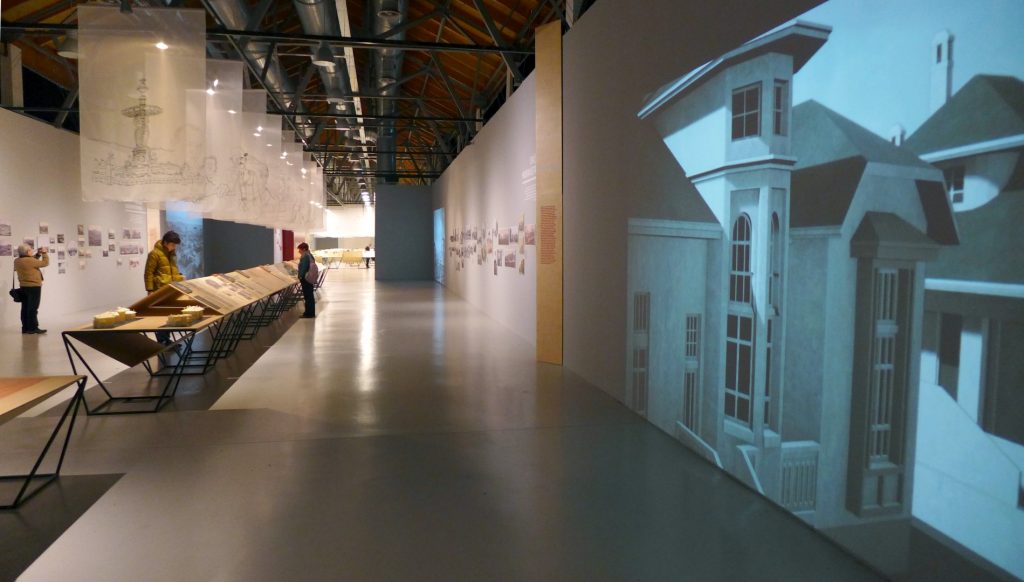
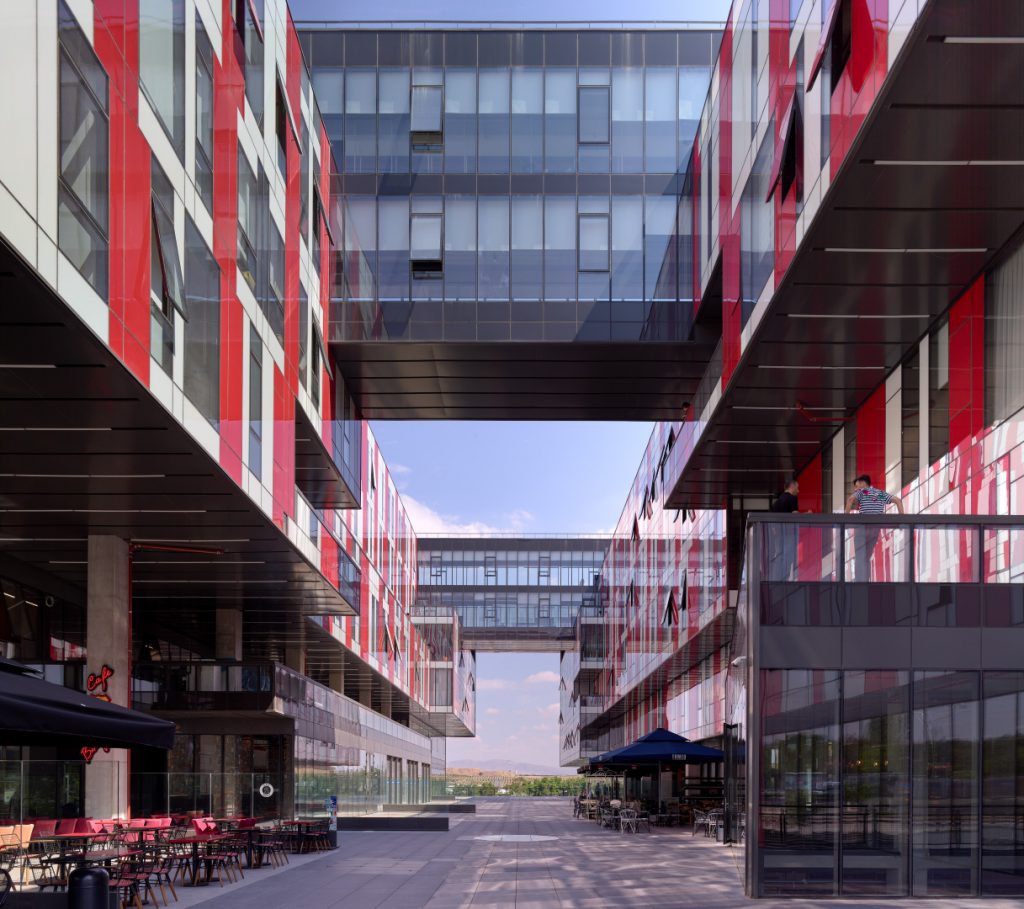
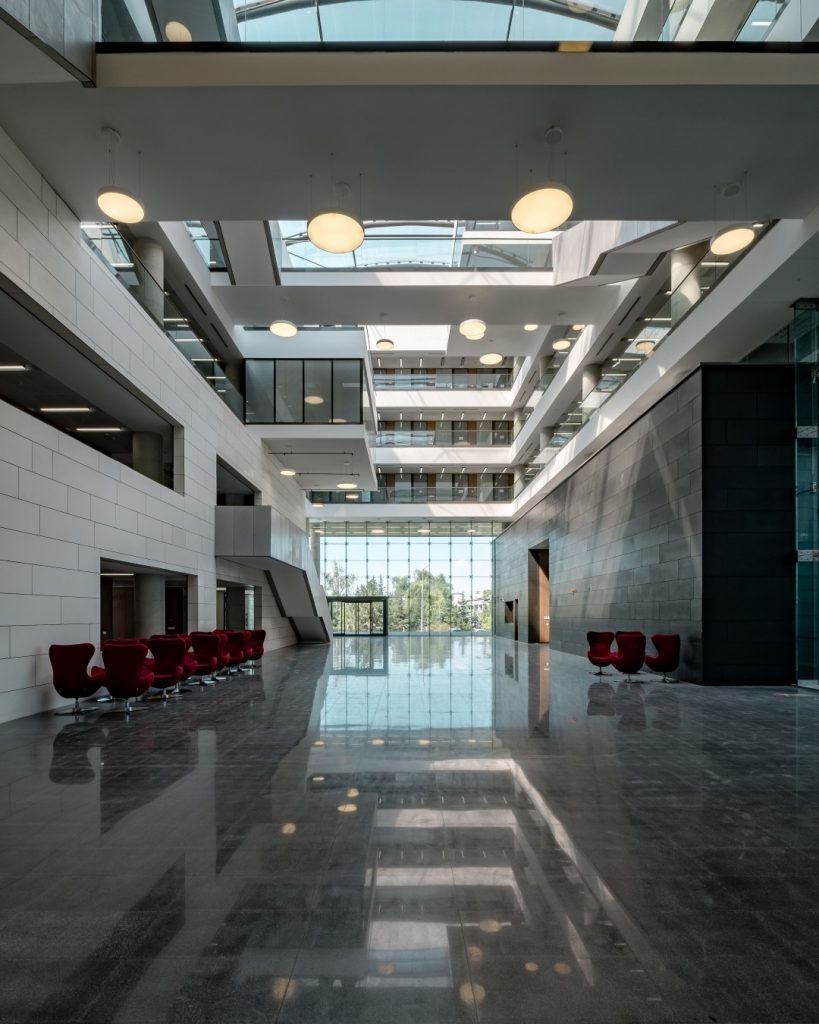
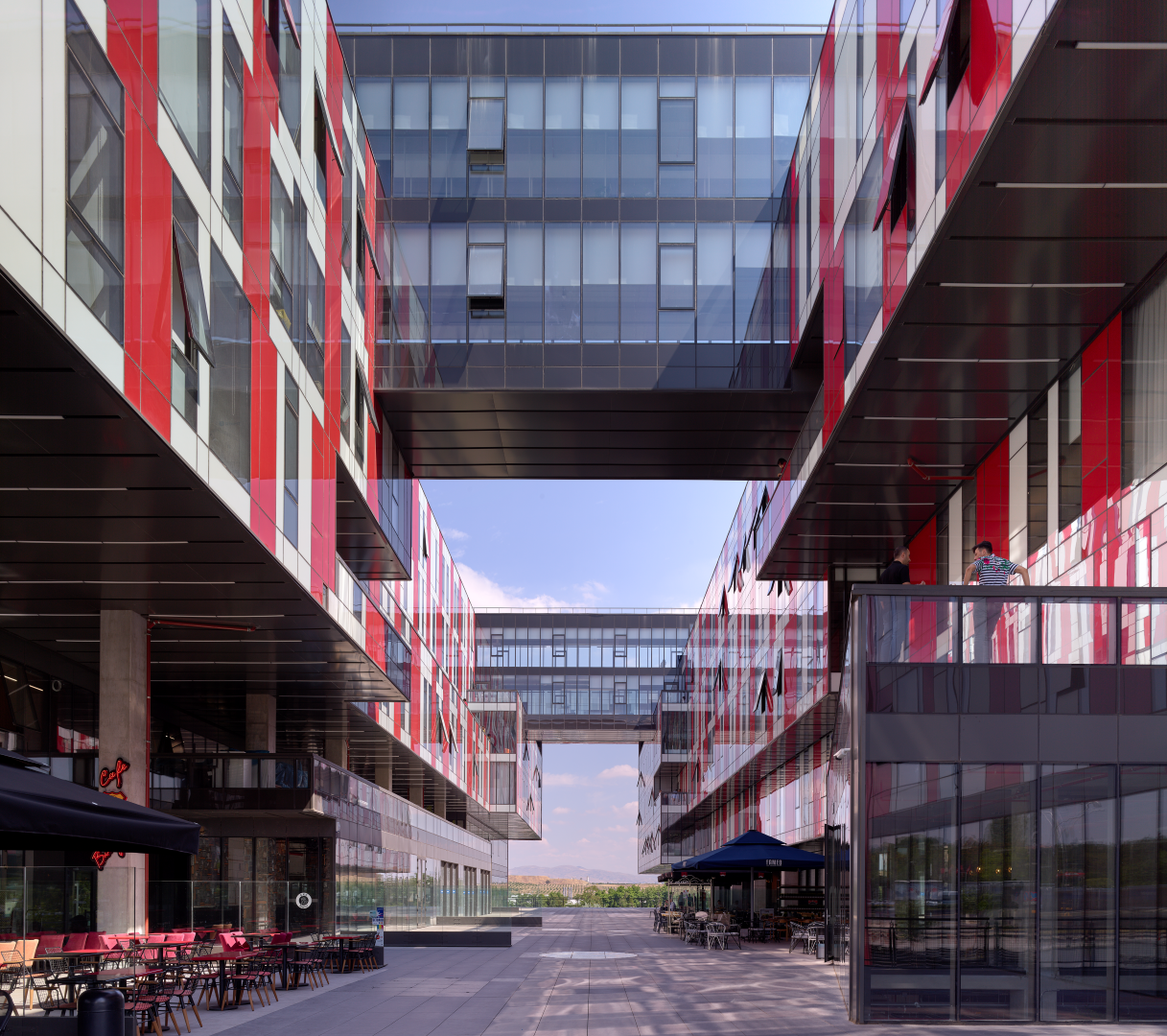
EŞ: The first one is Gaziosmanpaşa Municipality and Surrounding Urban Design Competiton and we received the 3rd prize. The second one is METU NCC Engineering Laboratories Invited Competition which is our first project built, got the first prize. FY: In addition, perhaps the most enjoyable work we have produced in the last period was the exhibition “The Construction of a New City: Ankara 1923-1933”. At least it gave us the opportunity to speak up in the field of exhibition design, which we participate in hardly. This exhibition is an important and valuable step for us.
What professional motivation do the competitions provide for you? How competitions shape your professional plans?
FY: Competitions are essentially a way of getting a job for every architect. It is an exciting and fair competition to be able to say your own words. Having a specification and jury of the competition and a transparent process is very valuable for the development of the profession and for the name of architectural culture. But I also see that there are dozens of things to do. For example; we need to make an intense effort for the public to believe in competitions much more. Thousands of projects are produced each year, and the vast majority of these are obtained at the end of the tender processes, where the proposal is discussed more than the design. At this point, I think that the most important motivation source of competitions is that the competitions should offer an opportunity to architects especially for the young ones. In addition, the fact that many architects are focusing on the same subject makes the process much more exciting.
What is the place of natural stone in your material selection in your projects? Can we learn your perspective on natural stone?
FY: We have absolutely a positive discrimination attitude for natural material. I must say that we question natural stone’s use a lot in order to place it correctly and properly. First, we need to answer the question of why we want to use it honestly if the usage decision is taken unintentionally, it means there is a problem. Until now, we haven’t been able to get enough knowledge about this subject, but we try our best to understand it better. The information that Emre collected and shared with us on his January trip with the technical team in order to choose the stone for our current project was very valuable. I sincerely would like to say that we need to pursue much more information for all the materials that make up the building, not just natural stone.
EŞ: The quarry trips that Fatih mentioned were really instructive. We have experienced how effective the variables such as the geography and conditions of the stone, how the stone came out of the quarry – which you can collect some of it from the soil – how it is cut in the workshop, how the surface treatments were made, ultimately affect the perception of the building.
You have become the owners of Arkitera The Young Architect Award this year. What is the importance of this award for you?
EŞ: This award is very precious for us and its meaning is very different. As a result of the choices you have made so far, you end up somewhere. This point basically covers the time between you and your journey. We had contact with many people on this road that we did not walk alone. Thank you once again to everyone we think and produce together. Architecture is a teamwork and a collective act of thought.
What are your short and long term goals? Can we learn about your current projects?
FY: Let’s say our closest but top priority goal is to complete the competition and the deadline of our upcoming works. For the long term goals, we want to achieve international success and carry out our ideas abroad. In addition, we aim to increase the quality of every work we do and to achieve a sustainable office cycle.